



Year: 2013
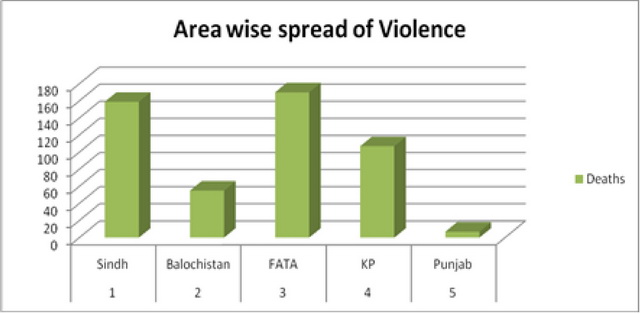
Pakistan Conflict Tracker Monthly Report – May 2013
The month of May was historical and very crucial for the people of Pakistan for two reasons; they were going to elect a new government to run the country for the next five years...
State in Turmoil
The Center for Research and Security Studies (CRSS) has released two new documents on contemporary issues; one publication titled 'State in Turmoil' is a compendium of five...
Blasphemy Laws in Pakistan: A Historical Overview
This CRSS report provides an historical overview of the evolution of the blasphemy laws in British India and the pre-partition political background behind it. It gives a detailed...

The drone dilemma
Following the June 7 drone strike on Al Qaeda targets in the mountainous Shawal area of Waziristan, Pakistan summoned Ambassador Richard Hoagland, the deputy head of the US...
Tightrope walk ahead for Nawaz Sharif
On Wednesday, Nawaz Sharif made history by becoming a three-time prime minister of the embattled nation of Pakistan. His thumping 244-vote victory in the 342-seat house was a...
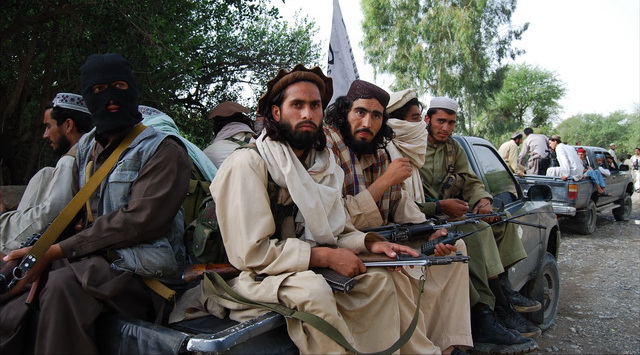
Deal or no deal?
April 19, 2009 marked a watershed in the Pakistani military establishment's unrealistic view of Islamist militant groups. The then general officer commanding, Major General Ejaz...
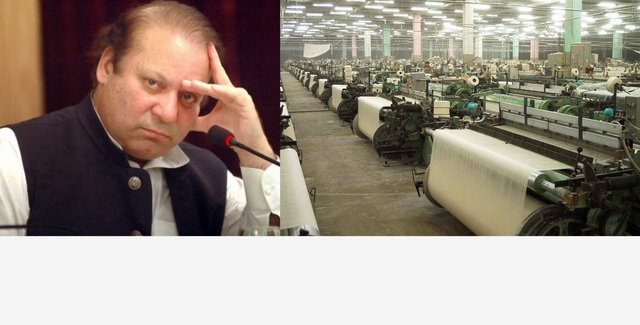
Pakistan Elections 2013: A Review
The May 11 general elections in Pakistan brought to an end weeks of speculation as to whether this will happen at all. This exercises culminated in a massive victory for...
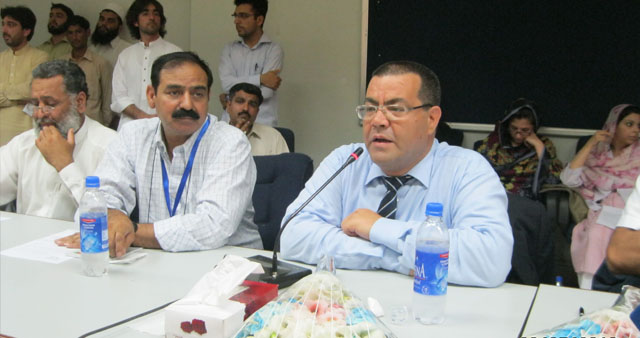
State Religion and Democracy:
Turk Scholars at Peshawar University Peshawar:Distinguished scholars from Turkey, Dr Ali Murat YEL, Head of the Department of Sociology, Faith University and Dr. Nuri TINAZ,...
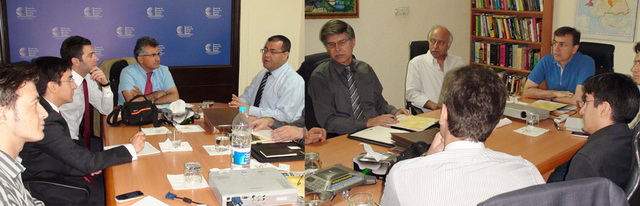
Separation of Religion from Politics: CRSS Discussion Forum with Turkish Scholars
Islamabad, (May 27, 2013): Discussion Forum organized at the Center on the theme 'Separation of Religion from Politics.' Distinguished scholars from Turkey, Dr Ali Murat YEL,...
TOP STORIES
TESTIMONIALS
“Polarisation and social unrest can only be tackled through social cohesion and inclusive dialogue.”