



ISLAMABAD, Pakistan — The revelation that the Pakistani woman involved in the San Bernardino massacre was an Islamic State supporter has put a spotlight on the radical group’s reach into this country. But surprisingly, there have been only scattered signs that the group’s tactics or ideology are taking hold in Pakistan, a nation with a history of extremist violence.
Tashfeen Malik lived in Pakistan from 2007 to 2013 to attend pharmacy school in the city of Multan. While investigators are still trying to piece together whether she was radicalized here, the news that she sympathized with the Islamic State is sure to rattle Pakistanis who worry about the group’s potential appeal.
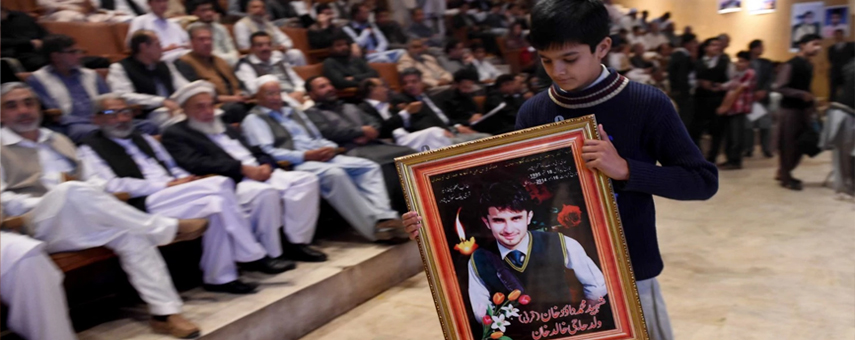
A year ago, Islamist militants shot and killed 157 students and teachers at an army-run school in Peshawar. And until now, as much of the world struggled to combat the Islamic State, memories of that horrifying day appeared to be helping to shield Pakistan from its influence.
Even as the Islamic State gains strength in neighboring Afghanistan, there have been only scattered signs that it is gaining followers in this nuclear-armed country of 180 million.
Muhammad Amir Rana, a security analyst based in Islamabad, said the Peshawar school attack, coming as it did amid a general lessening of extremist tendencies in Pakistan, galvanized public support for the army. The military’s successful effort to clear Pakistan’s northwestern tribal belt of militant groups that posed a threat to the state has won it additional respect.

“The space for violent narratives has shrunk,” Rana said. “You can argue we still have extremists, but in terms of taking that to violence, public support is decreasing.”
[One year after it went to war, Pakistan is safer but doubts persist]
Rifaat Hussain, a longtime international relations professor, recalls how there was open support in the classroom for the Taliban and other Islamist extremist groups in the aftermath of the Sept. 11, 2001, terrorist attacks. But that was 14 years ago.
Courtesy: Washington Post