



Dr. Seema Khan is a lecturer in the School of Humanities and Social Sciences at Deakin University in Australia. She serves as a section editor of the Springer Global Encyclopedia of Territorial Rights and was a Jinnah Fellow at the London School of Economics. Beyond academia, Seema’s professional journey spans over two decades within the public sectors across Australia and Pakistan.
When addressing militancy in KP and other regions of Pakistan, there is a need to develop a national consensus. A comprehensive and integrated strategy is required to combat militancy effectively, one that considers local realities and dynamics rather than relying solely on top-down decisions that often ignore ground-level complexities. A collaborative approach, involving experts who have demonstrated success in addressing such challenges, is essential. Some officers have previously undertaken remarkable work, and their insights should be leveraged. While preparing a report on the current situation in Pakistan, I read Azam Khan’s detailed Counter Terrorism Strategy duly approved by the provincial Cabinet in its 46th meeting on 02/05/2012. The officer was a former Principal Secretary to PM Imran Khan & Former Secretary Home KP in the ANP’s government. Astonishingly, the strategy is so relevant even today and unfortunately, a decade down the line we are back to square one- nothing has changed.
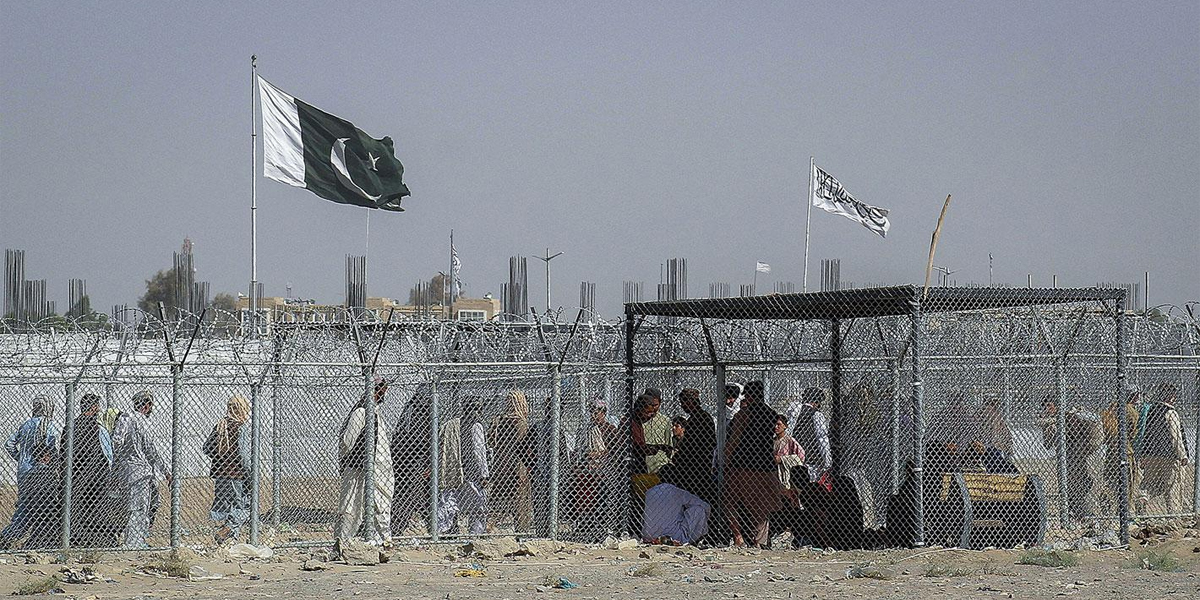
The report sets a strong foundation and presents a template to counter this menace. Though issued over a decade ago even before the formation of the 20 Points National Action Plan (NAP-2014) outlined by NACTA that was approved on 24th of December, 2014 by the Parliament. Despite all this, the relevance of the Counter Terrorism Strategy still remains undiminished. It underscores the importance of local participation in understanding the socio-political dynamics at play and highlights the risks of excluding those with direct interaction with affected communities. It is crucial that LEAs, both military and civilian, develop a nuanced understanding of the intricacies involved when formulating counter-terrorism strategies. This requires more than just strategic planning from a part-time interior minister who may lack the time or commitment to address such a complex issue effectively. The report’s central argument—that militancy cannot be solely attributed to foreign influence, such as NATO’s presence in Afghanistan—remains highly relevant. While external factors have played a role, internal drivers of militancy persist. Even after NATO forces’ withdrawal in August 2021, militant attacks along the Afghanistan-Pakistan border, including in areas like Kurram Agency, Bannu, Lakki Marwat, and Peshawar, have not subsided. Similar issues in AJK and Balochistan highlight that the presence of foreign troops is not the sole factor fueling militancy. The Taliban’s takeover in Afghanistan has emboldened militant groups within Pakistan, particularly the TTP, who view their victory over US/NATO forces as a validation of their cause. Their renewed confidence, bolstered by their perception that they can counter Pakistani LEAs, is a significant concern, as LEAs are often seen as under-equipped and lacking technological advancements compared to NATO troops. Additionally, the Pakistani military’s involvement in political affairs has exacerbated these issues, strengthening the belief that the military is too politicized to effectively tackle militancy.
To avoid further escalation into violence or ethnic-based conflict, political dialogue must be initiated. Without an inclusive approach, military action can neither suppress militancy nor contain societal radicalization. It is crucial to engage key relevant minds including Azam Khan, Lt. Gen (R) Tariq Khan, former IG KP Nasir Durrani and the list is long of those who know the dynamics of the region and understand the culture. Their experience and expertise can contribute to a more informed and comprehensive approach. Militancy is not merely a security issue; it is a national concern requiring a unified, consensus-driven response. Federal policies, particularly those disregarding the needs of marginalized provinces like KP, Balochistan, and Sindh, have exacerbated the situation.
Pakistan is not a homogeneous society, and any strategy lacking consideration of this diversity is bound to fail. The current Pakistani government’s composition reflects a significant Punjabi influence, raising concerns about the representation of peripheral regions and the ability to address complex national issues effectively. The current leadership’s ability to address complex national issues, particularly in peripheral areas, is questionable. Naqvi’s part-time role as Interior Minister and Dar’s dual responsibilities suggest a lack of focused attention on critical matters. Dar’s poor performance in international forums, such as his self-invitation to an inauguration and his nervous demeanor during a “Hard Talk” interview, raise doubts about Pakistan’s diplomatic capabilities in addressing serious situations. This Punjabi-dominated cabinet, with its apparent disregard for other regions’ concerns, is ill-equipped to handle the intricacies of Pakistan’s diverse socio-political landscape. The government’s composition and performance indicate a failure to develop the comprehensive, integrated strategy necessary to combat militancy and address the grievances of marginalized provinces effectively
The urgency of this matter cannot be overstated, and immediate attention and action are necessary to prevent further escalation. Consultation with knowledgeable officers, inclusion of marginalized regions in decision-making, and development of a national consensus are key steps toward a lasting solution.