



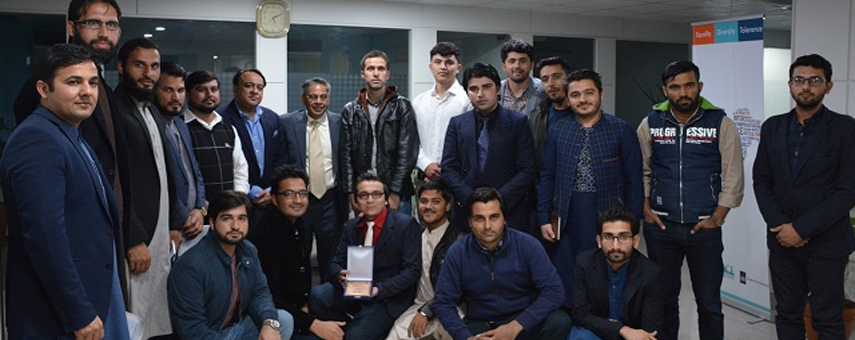
In the next 40 years, Pakistan and Afghanistan are expected to have 10% more water due to climate change and melting of glaciers than now. However, both countries will be faced with a grave challenge once these glaciers have exhausted, perhaps in the next 30 to 40 years, which calls for immediate attention of policy makers in both countries, stated water expert Mr. Ali Tauqeer Sheikh at Afghan Studies Center’s 18th Pak-Afghan Youth Dialogue in Islamabad on November 26, 2018. He was speaking on the theme, “Pak-Afghan Cooperation: Ensuring Sustainability in Water Resources.”
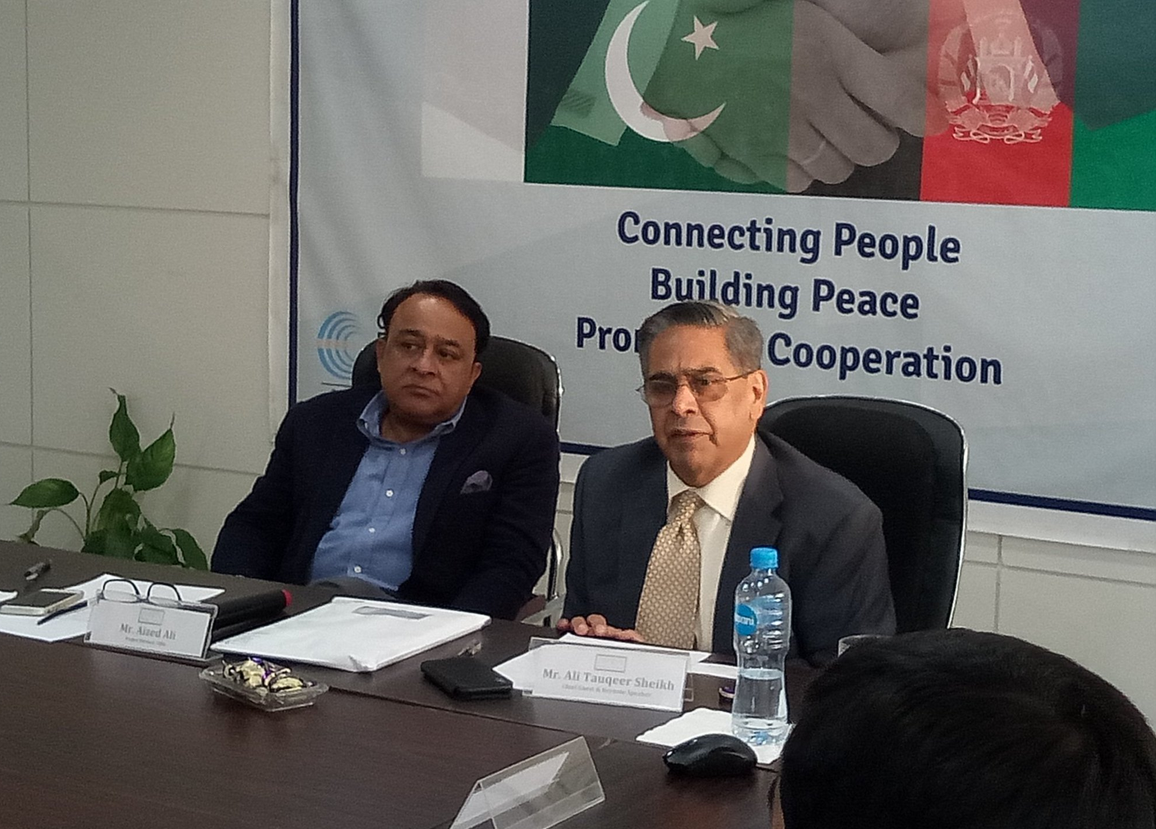
Afghanistan is a landlocked country, albeit one that many rivers flow through. However, the war-torn country does not maintain any control over its rivers. The country’s lack of infrastructure to store water is at the core amongst many other factors perpetuating its socio-economic challenges, Mr. Sheikh explained. Many rivers in Afghanistan are seasonal and as a result, the water just flows to other countries, not allowing Afghanistan to utilize from its benefits, the CEO LEAD Pakistan said, while speaking to youth from Pakistan and Afghanistan belonging to Kabul, Kandahar, Herat, Quetta, Islamabad, Rawalpindi and Peshawar.
Further elaborating, he said that the Kabul River Basin, which is shared between Pakistan and Afghanistan, is a vital resource for both countries, particularly in terms of economic growth, energy security, food security and supply of water to its populations. It is also one of the most important transboundary rivers in the Asia region. However, diplomacy and dialogue between the countries is constrained by ongoing political challenges, making it difficult to share the benefits of the Kabul River waters. Water experts like him contend that in order to maximize growth in both countries, there is a need for integrated development with an approach of sharing of costs and benefits of the Kabul River Basin, as compared to the division of water and unilateral development. However, various factors such as political mistrust and a lack of knowledge/data on both sides are damaging the changes for this to happen.

Explaining to the participants, he delineated two kinds of countries with rivers; upper-riparian, which is on the upper side geographically; and lower-riparian which is situated on the lower side of the river; both have different rights. Afghanistan is an upper riparian on the Helmand River. Hence, water flows from Afghanistan to Iran. Similarly, Afghanistan’s Amu Darya goes to Central Asia. Kabul River, too, is shared by upper-riparian Afghanistan and lower–riparian Pakistan.
On the other hand, both states also face the challenge of depleting ground water table where the Kabul City, with its 4.6 million population, and Quetta in Pakistan are examples in need of immediate attention in terms of adequate infrastructure and proper water management. There is a need to construct infrastructure to not only bring the water table up but also to provide for safe drinking water in both countries. Not only is poor water management in both countries leading to water scarcity but also posing as factors for many developmental issues arising from the lack of electricity generation and irrigation for agriculture.
In view of the pressing water crises perpetuating in both countries, policy makers on both sides need to find ways where both neighbors can benefit from a sustainable water sharing mechanism. As neighbors cannot be changed, Mr. Ali Sheikh stated, Pakistan and Afghanistan have to learn to live with each other and resolve their issues collectively. As an example to move forward, he stated that some medium-sized dams can be constructed. Like Pakistan and India, Afghanistan and Pakistan could also enter into a legal treaty regarding an equitable water sharing mechanism. If both countries wait for peace to come first before moving forward around water management, it will never come, he stressed. Hence, there needs to be advocacy to strengthen the capacity on both sides and more focus on water governance, water justice, water equity and water as a transboundary issue.
As an example of the advocacy that the civil society could do, he stated that if a thousand Afghan students come to Pakistan to avail Bachelor’s and Masters’ scholarships and 30 to 40 of them return with a degree in water management, it will certainly, to some extent, strengthen the capacity of Afghanistan in their water management issues, ultimately benefiting Pakistan as well.
Furthermore, the strength of the youth needs to be built by offering more courses related to water management in Pakistani universities. Afghan students coming to Pakistan on scholarships awarded by Pakistan’s government can be encouraged to enroll in such courses. The process of engagement between Pakistan and Afghanistan can be expanded at a technical level while the youth, as leaders of the future, too, should be engaged in water-management related conferences for raising their awareness and paving the way for bilateral cooperation in reaping benefits from proper water management.
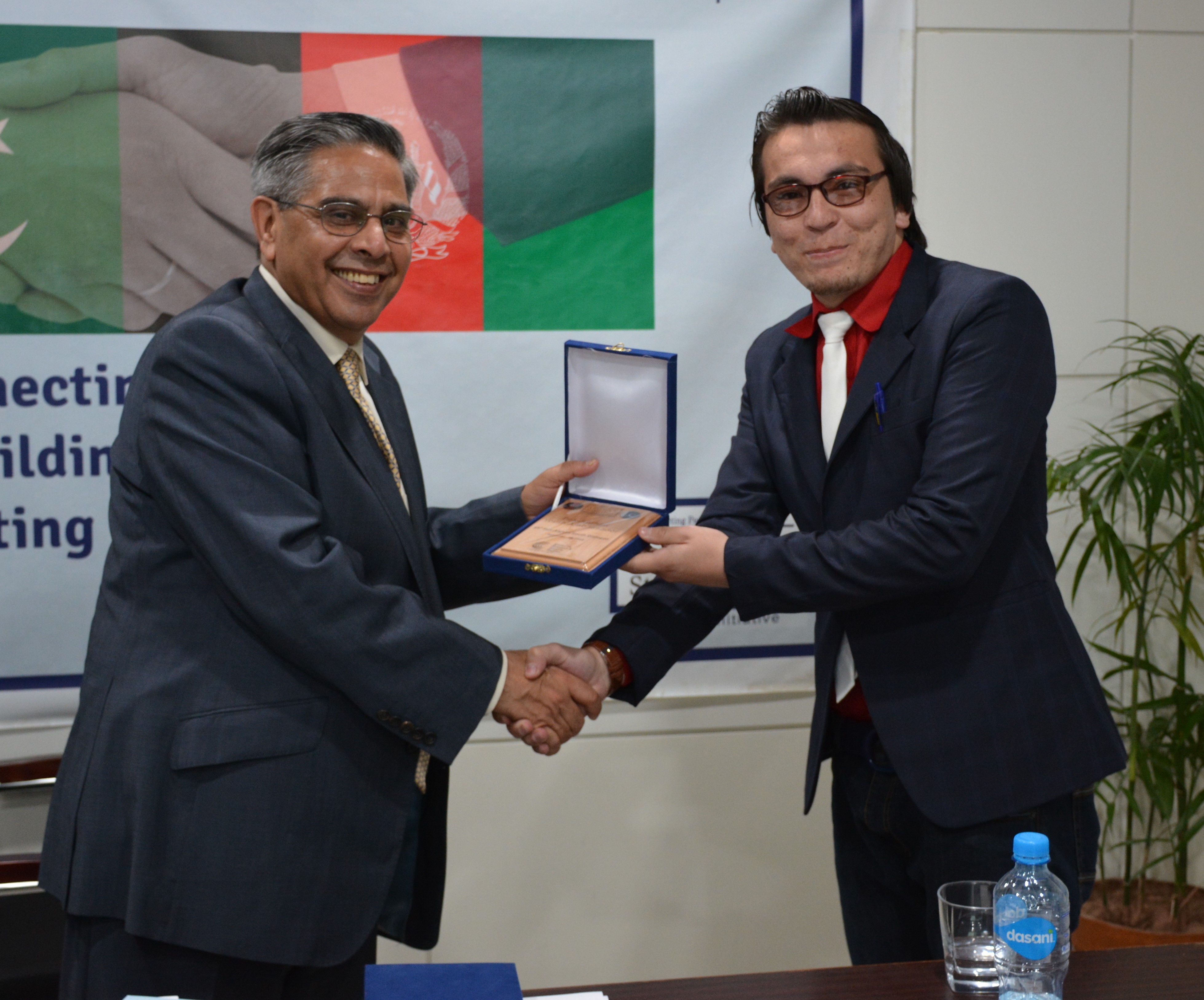
At the end, the Afghan Studies Center team nominated a participant from Afghanistan as the Pak-Afghan Youth Ambassador for the month of November 2018, who was then presented a shield by the Chief Guest. Project Director Mr. Aized Ali also presented an honorary shield of appreciation to the Chief Guest, Mr. Ali Tauqeer Sheikh.
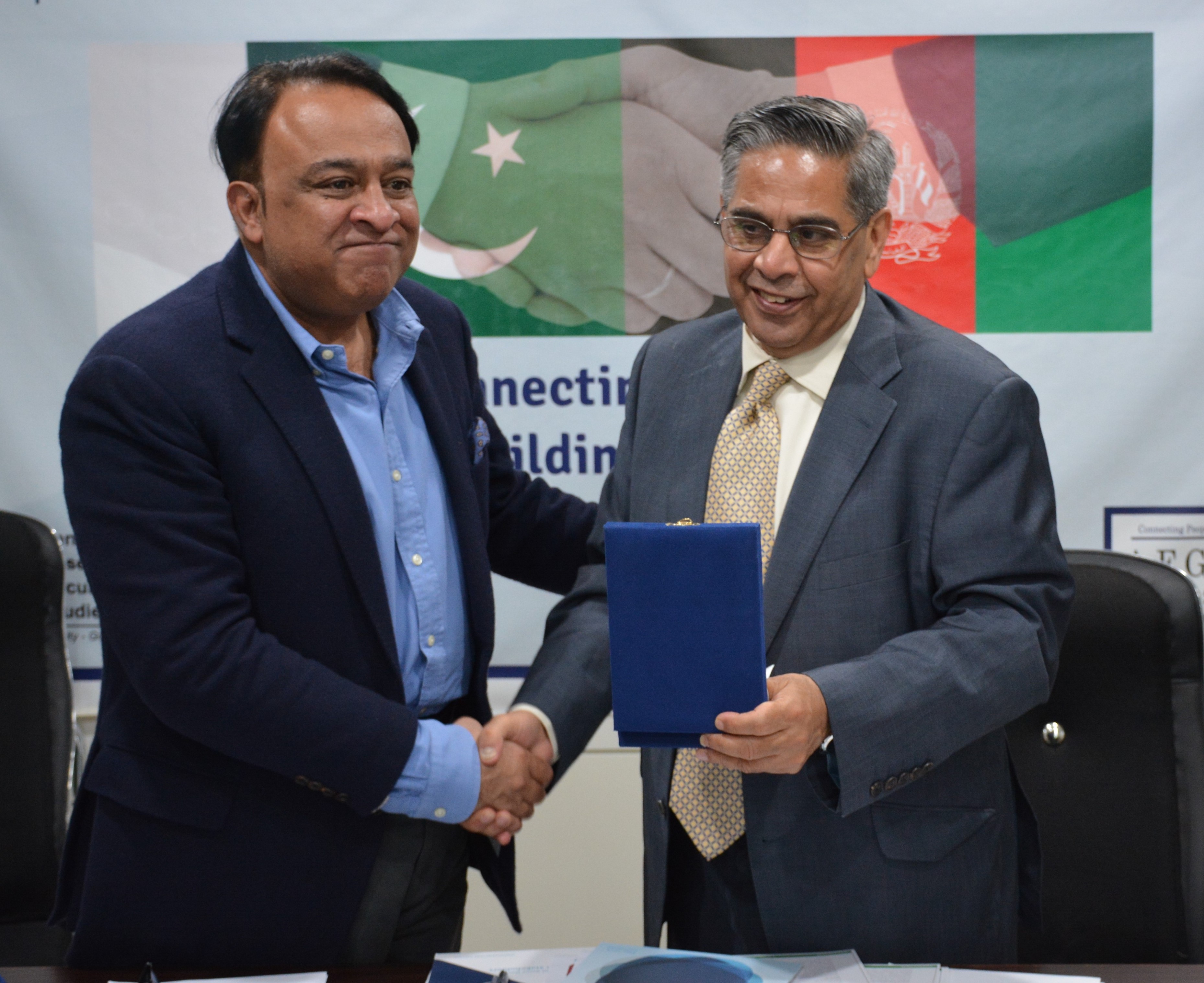
This was the 18th Pak-Afghan youth dialogue held under the Afghan Studies Center initiative of CRSS which has now an alumni of over 400 Pakistani and Afghan youth now. Afghan Studies Center aims at encouraging peace narratives and critical thinking through its monthly Pak-Afghan youth dialogue series, and quarterly training workshops, which focus on the skill development and capacity building of emerging future leaders from both countries.