



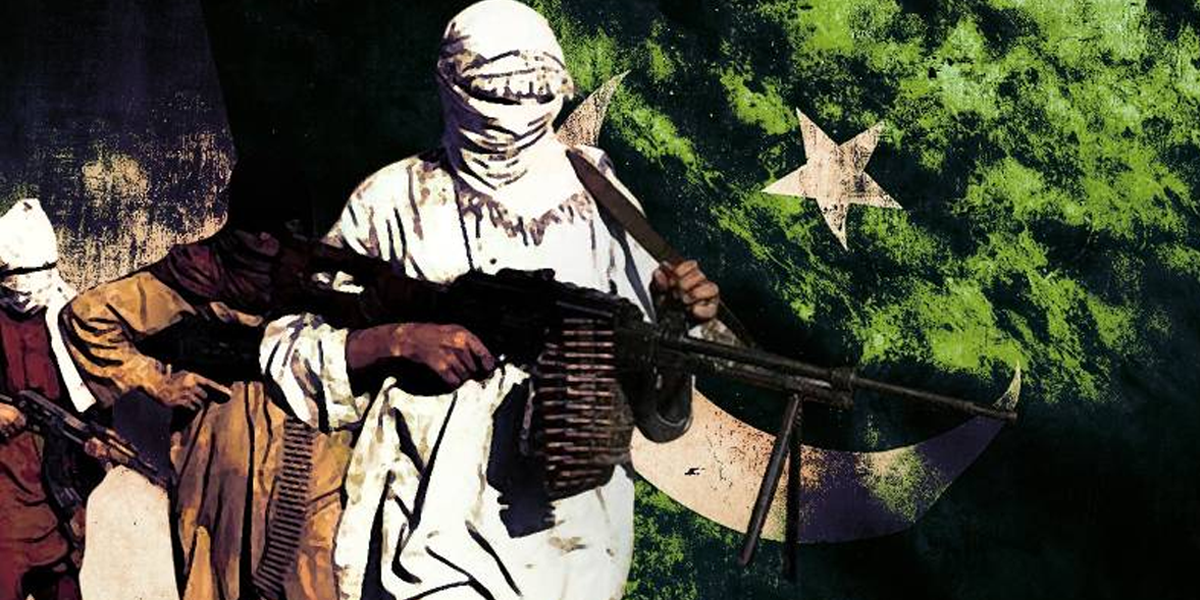
Tehreek-e-Taliban Pakistan (TTP) has re-emerged as a central security concern due to a sustained increase in terrorist activity across Pakistan. A key aspect of TTP’s operational resilience lies in its structured reorganization process, which reportedly takes place annually. This mechanism resembles institutional appointment and transfer systems, allowing the group to maintain operational continuity despite counterterrorism pressure. According to available insights, TTP follows a centralized command structure influenced by the governance model of the Islamic Emirate of Afghanistan. The group has established functional bodies—such as intelligence, media, and finance—across multiple provinces of Pakistan, and unlike earlier phases when TTP operated directly from Afghan territory, these wings are now embedded within designated operational zones inside Pakistan. Operational directives, including personnel deployment and rotation periods ranging from one to four months, are reportedly issued from Kabul, with facilitators acting as intermediaries between field commanders and the central leadership, ensuring coordination and compliance with strategic objectives.
In contrast, Islamic State–Khorasan (IS-K) operates under a more rigid command model. Fighters are reorganized in Afghanistan and deployed directly to specific locations. Haji Dawood, as the head of IS-K’s central cabinet for Pakistan, is believed to operate from Kunar province, Afghanistan, while IS-K’s operational footprint remains comparatively limited when measured against TTP and the Hafiz Gul Bahadur group. The differences in organizational structure have implications for both groups’ operational flexibility and their ability to respond to counterterrorism measures, which in turn affects Pakistan’s security calculus.
TTP leadership, particularly under Mufti Noor Wali Mehsud, has pursued consolidation of jihadist factions under a single umbrella, marking a departure from earlier periods of fragmentation during the leadership tenures of Hakimullah Mehsud and Mullah Fazlullah. Groups such as Jamaat-ul-Ahrar (JaU) and Lashkar-e-Islam have either aligned with or merged into broader militant coalitions, while the Hafiz Gul Bahadur group has maintained a distinct identity. Despite historical cooperation and TTP-provided shelter during Operation Zarb-e-Azb, Gul Bahadur has resisted formal integration into TTP, seeking participation under its own banner and agenda in the event of renewed state negotiations. Reports indicate that Sirajuddin Haqqani has played a mediating role in managing disputes between these factions, underscoring the complex inter-group dynamics that influence both tactical operations and political engagement.
The security implications for Pakistan are significant. TTP today is assessed to be more organized and operationally capable than in previous years, having established a shadow governance framework that extends its influence across multiple districts. This resurgence has heightened concerns among federal and provincial authorities, particularly in Khyber Pakhtunkhwa, where at least eight districts—North and South Waziristan, Upper and Lower Waziristan, Dera Ismail Khan, Lakki Marwat, Karak, Bannu, and Tank—face severe security threats. Despite earlier official assertions during Operation Zarb-e-Azb that militant infrastructure had been eliminated, the current security environment reflects a more complex and persistent challenge. Appeals by KPK government spokesperson to TTP leadership to halt violence, as observed by Center for Research and Security Studies (CRSS) Executive Director Imtiaz Gul, reflect the gravity of the situation and the limited leverage available to the state, highlighting the ongoing struggle to reconcile tactical counterterrorism with broader strategic stability.
Atif Ali is a freelance journalist and scholar at QAU. He can be reached at:
matifali1997@gmail.com