



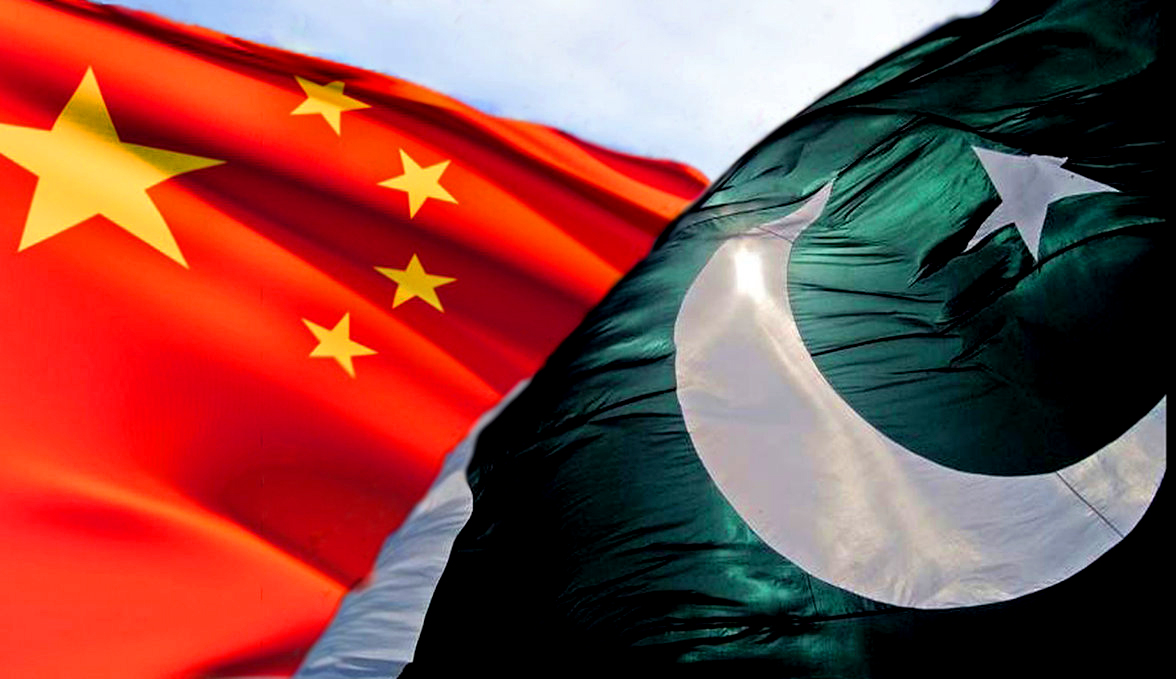
Deliberations over the second phase of the Pakistan-China Free Trade Agreement have begun with a clear understanding between both countries that the benefits of the first phase of the FTA skewed in favour of the Oriental giant.
SBP trade data suggests that exports to China have expanded since the first FTA went into effect in 2007. However, the gains made by Chinese exporters tower over benefits derived by Pakistani firms selling goods and services to China. It is also noteworthy that trade data reported by China asserts that their exports to Pakistan are significantly higher than the SBP tally, clocking in at $14 billion during the last fiscal.
Three underlying principles for the second phase are that it is independent of the first phase, tariff reduction will not be reciprocal, rather it will be aimed at providing more benefits to Pakistan, and that each country will reserve the right to ascribe quotas on specific products in case of sudden import surge.
These modalities are undoubtedly cognizant of the fact that sustainable trade liberalization can only result from a win-win situation for both countries. However, they may not be enough to ensure that tariff reductions obtained from the Chinese will translate to more balanced bilateral trade.
An official responsible for capacity enhancement at a domestic steel manufacturing firm told BR Research that his firm had to contest a case in Sindh High Court before Pakistan Customs allowed that company to import a transformer from China that local companies were incapable of supplying. “Despite the FTA, it is difficult to import machinery that can improve efficiencies or productivity.
But bringing in finished goods like phones and electronics is easy as cake”, he asserted.
Another commonly cited shortcoming is that the list of items under the FTA contains many irrelevant items while overlooking other, more logical export prospects. Federal Minister for Commerce, Khurram Dastagir Khan also conceded the same problem in a recent press conference.
Clearly, there is a need to understand which goods and services can yield good export markets in China; and to find out which sectors can benefit from Chinese imports in terms of technology transfer and productivity enhancement.
Enhancing the mandate of the Working Group for FTA-II would be a good start towards this goal. Additionally, GOP would do well to use leading business schools of the country to gain input from a cross section of Pakistani exporters and importers to build a knowledge base before the final touches to the new trade terms. Such exercises are already underway in the context of Pak-India trade even though prospects of normalized relations with that country seem to be in cold storage during the Modi era.
Representing the voice of Pakistans biggest business groups, the Pakistan Business Council predicted in 2011 that the next growth vent for Pakistan would be regional trade.
But as is evident from the experience of Pak-China FTA-I, that will only be possible if the government has a clear understanding of domestic business environment; their needs and strengths. Armed with this information, the Ministry of Commerce will stand a much better chance of executing bilateral agreements that benefit Pakistan; whether with China or other regional trading partners.
Published on www.brecorder.com January 20, 2015