



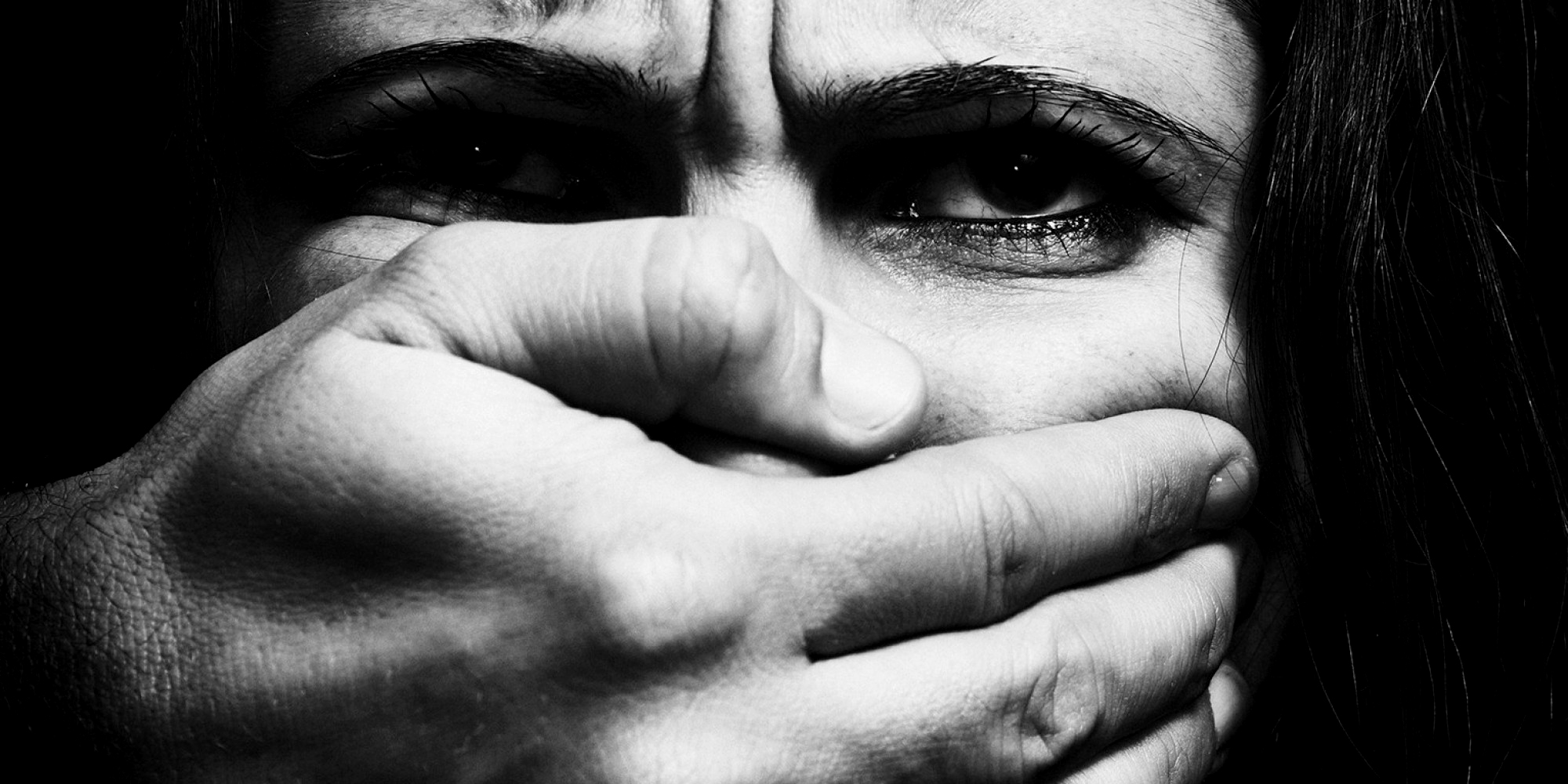
International Day for the Elimination of Violence Against Women is observed every year on November 25. The day holds relevance to Pakistan as well because of the prevalence of the phenomenon at various levels of the society. As a commitment to the fundamental human and women’s rights, and the Centre is sharing two insightful articles – one each by Peter Heyward, the Australian High Commissioner, and Philip Barton, the British High Commissioner to Pakistan –for further dissemination.
Elimination of violence against women
By: Peter Heyward
On the International Day for the Elimination of Violence Against Women, we are reminded of the horrific acts of violence against women that take place every day — in Australia and across the Pacific, in countries of the Indian Ocean Rim and beyond.
Violence against women persists as one of the most heinous and prevalent human rights abuses. While there is no shortage of good work being done in every country, the statistics remain deeply disturbing, and the impact of violence on individual lives and on the well-being of our communities is devastating.
Globally, more than one in every three women has been beaten, coerced into sex, or abused in some other way, most often by someone she knows, including her husband or another male family member. In some parts of the Pacific, the reported rate is as high as two in three surveyed women. In Australia, one woman is killed every week by a current or former partner.
Australia’s National Council to Reduce Violence Against Women and their Children reported that in 2009, violence against women and their children cost the Australian economy an estimated AU$13.6 billion and, without appropriate action, this could rise to AU$15.6 billion by 2021-22.
Violence affects women first and foremost, but also their children, families and communities. However, it is also a burden on national economies, as well as a barrier to lasting peace and a threat to sustainable national development. International evidence shows that we can create the change necessary to prevent violence against women and their children. To do this, we must address the attitudes and behaviours that perpetuate, justify, excuse and fail to counter such violence.
Australia recently launched its Second Action Plan: Moving Ahead 2013-16 which unites the Australian community to make a significant and sustained reduction in the levels of violence against women and their children. During the Second Action Plan, we expect that cultural change will advance; women will feel encouraged to report their experiences; and more members of the Australian community will actively reject violence.
Recognising that violence against women is an issue that effects women and girls around the world, Australia is committed to supporting and partnering with other countries to end violence against women.
Australia has contributed more than AU$30 million to ending violence against women and girls in Pakistan and Afghanistan since 2013. This funding is aimed at providing support services for women and their children as well as innovative approaches to engaging with men, women, religious and community leaders to challenge attitudes and behaviours that tolerate violence against women.
The Australian High Commission’s Direct Aid Programme (DAP) supports several grass roots-level projects across Pakistan working to prevent violence against women, through skills training for improved livelihood opportunities and promoting awareness among women and children of their basic human rights. This work aims to help some of Pakistan’s most vulnerable women, including victims of abuse. Through DAP, the Australian High Commission will also be actively involved this year in the internationally recognised “16 Days of Activism Against Gender-Based Violence,” which begins today (25 November).
Earlier this year, Australia launched a four-year AUD20 million programme aimed at addressing both the causes and consequences of violence in Timor-Leste by working to prevent violence and provide support services. In Fiji, Australia supported the Fiji Women’s Crisis Centre since its establishment in 1984 to provide counselling and support services to over 35,000 new clients and 41,000 repeat clients.
Women are particularly susceptible to violence during times of conflict, emergencies and crisis. This is why Australia’s minister for foreign affairs is a champion of the United Kingdom’s Preventing Sexual Violence in Conflict Initiative. It is also why Australia is active at the United Nations Security Council (UNSC) to promote the Women, Peace and Security agenda. In October this year, Australia’s Ambassador for Women and Girls, Natasha Stott Despoja, attended the UNSC Open Debate on Women Peace and Security, drawing attention to the particular vulnerability of women and girls in times of conflict.
Each individual, community and government has a responsibility to speak out against violence against women. In our workplaces, in our schools and universities, in our communities and in our homes, we must all say “enough”.
Australia’s Prime Minister is leading by example as a White Ribbon Ambassador. At the highest level of the Australian government, Prime Minister Abbott has made clear that Australia has zero tolerance for violence against women. Our collective efforts are needed to achieve profound and lasting change around the world; not just for the benefit of women and girls, but for all of us.
Courtesy: Peter Heyward, the Australian High Commissioner to Pakistan.
Published in The Express Tribune, November 25th, 2014.
Tackling violence against women
By: Philip Barton
The campaign “16 Days of Activism to Stop Violence Against Women”, began from November 25. According to a 2011 poll of experts by the Thomson Reuters Foundation, Pakistan is the third-most dangerous country for women in the world. More than 1,000 women and girls are murdered under the pretext of honour killings every year. Ninety per cent of Pakistani women suffer from some form of domestic violence.
Victims are often reluctant to speak up about physical or sexual abuse. If they do, they are seen as having lost their and their family’s dignity. As is often the case in the West, many rapes go unreported. Many Pakistani victims fear they will become worthless in the eyes of society. Many charitable organisations try to help empower women, but not all women take advantage of these resources. They fear about bringing dishonour to their families, or are not even aware that help exists. With female literacy at 36 per cent, many women are unaware of their rights. So this campaign is about highlighting these issues and what can be done about them.
Back in July, I had the honour of hosting a debate in Islamabad on the UK’s “Ending Sexual Violence” Initiative. The debate was part of a global relay of events being organised by 145 British diplomatic missions worldwide. It coincided with the Global Summit to End Sexual Violence in Conflict, hosted by William Hague in London on June 10-13, 2014. At our debate in Islamabad, I learnt from some prominent women parliamentarians and activists the important progress that has been made in Pakistan to prevent the horrific crime of sexual violence in the last few years. Four important bills have already been moved in parliament to protect women and strengthen their rights, including legislation on Prevention of Sexual Harassment in the Workplace, Acid Crime and Control, Prevention of Anti-Women Practices and Domestic Violence.
The British government wants to support all those who are committed to taking concrete action to remove rape and sexual violence from the world’s arsenal of cruelty. We are working with the government of Pakistan and various non-governmental organisations to support implementation of legislation tackling domestic violence, honour killings, sexual harassment, acid burning and unequal rights in marriage and inheritance. Over the last eight years, UK funding has helped to provide counselling and legal aid to 35,000 women victims of violence.
We are also working closely with Pakistan’s provincial governments and partners to empower women through education and economic means. By 2015, the UK will facilitate the advancement of over a million microfinance loans to poor women, helping them lift their families out of poverty. Four million children will have benefited from UK Aid’s education programmes, half of whom are girls. We believe that investing in women and girls is transformational — for themselves, their families and their communities.
Evidence suggests that the countries where women and men have equal rights are more productive and prosperous. As a longstanding partner of Pakistan, the UK is committed to working for gender equality and women’s empowerment in the country. Living free from violence is a human right. And a right is not what someone gives you; it’s what no one can take from you.
Courtesy: Philip Barton, the British High Commissioner to Pakistan.
Published in The Express Tribune, November 27th, 2014.