



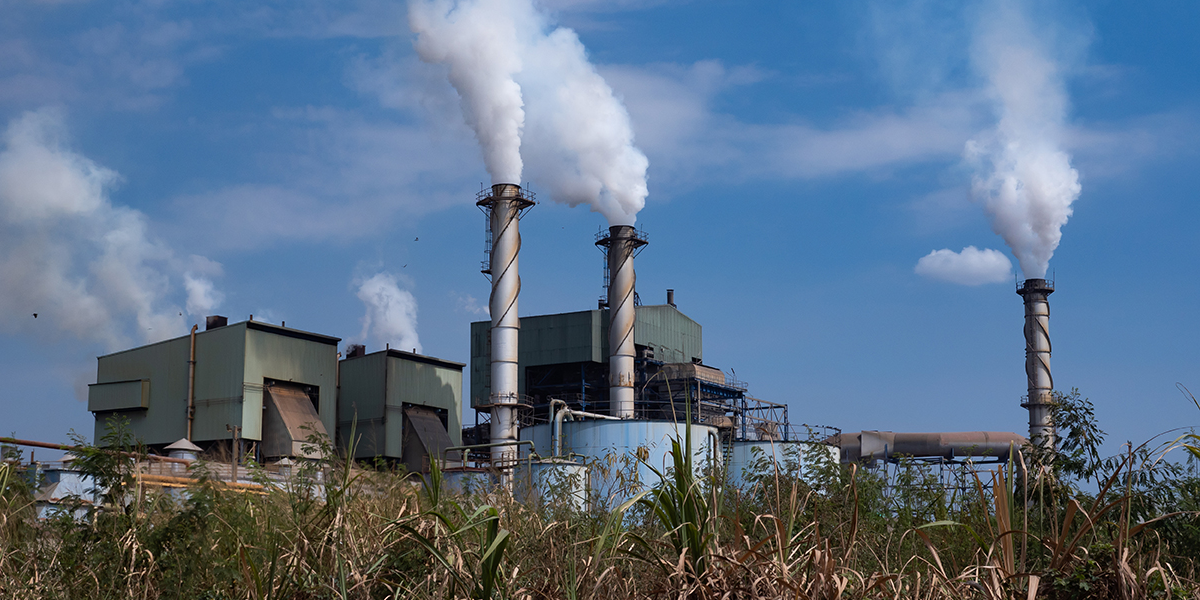
At a time of rising fuel import dependence and fertilizer supply uncertainty, this policy letter by engineers Arshad Abbasi and Musa Abbasi highlights how Pakistan’s sugar industry can play a transformative role in strengthening national energy and agricultural security. By leveraging ethanol blending (E10–E20) and utilizing press mud as organic fertilizer, the proposal presents a practical, immediately implementable pathway to reduce foreign exchange pressures, improve fuel quality, enhance soil health, and build long-term economic resilience through domestic resources.
To:
His Excellency Asif Ali Zardari
President of the Islamic Republic of Pakistan
Respected Mr. President,
We write to draw your attention to an urgent and strategic opportunity for Pakistan at a time when global energy markets are increasingly volatile and the country faces heightened vulnerability due to its dependence on imported fuel and fertilizers. The recent geopolitical tensions in the Gulf region and the resulting disruptions in oil and gas supplies, have reinforced the need for immediate, forward-looking policy interventions to safeguard Pakistan’s energy and agricultural security.
In this context, the role of the Pakistan Sugar Mills Association and the broader sugar industry assumes critical importance. On 29th March 2026, PSMA urged the government to allow the export of surplus sugar and move toward deregulation, highlighting the financial strain faced by millers despite a bumper production year. However, beyond the immediate issue of exports lies a far more significant opportunity: the transformation of Pakistan’s sugar sector into a cornerstone of energy resilience and agricultural sustainability.
Sugar mills in Pakistan primarily produce refined sugar from sugarcane while simultaneously processing molasses, a byproduct, into high-value ethanol for export. In the domestic context, ethanol is increasingly recognised as a clean-burning biofuel suitable for blending with petrol (E10/E20), while in industrial usage it is referred to as rectified spirit. Many sugar mills are already vertically integrated with distilleries, generating export revenues exceeding US$300 million annually at relatively low incremental cost. Despite this capability, Pakistan continues to import expensive petroleum, reflecting a policy gap in utilizing domestic ethanol for fuel blending.
International experience offers compelling evidence. The United States has adopted E10 nationwide, Brazil has long relied on high ethanol blends and is currently testing E35 fuel, and India has successfully achieved a 20% ethanol blending rate (E20). These examples demonstrate that ethanol blending is a mature, scalable, and economically viable solution. Pakistan possesses the raw materials, industrial infrastructure, and technical expertise to adopt a similar model.
Ethanol blending can significantly reduce Pakistan’s fuel import bill, conserve foreign exchange reserves, and provide price stability for consumers. At the same time, it can help address environmental challenges by reducing emissions of carbon monoxide, hydrocarbons, and particulate matter—key contributors to urban smog and air pollution. Given that fuel adulteration remains a persistent issue in Pakistan, ethanol blending can also improve fuel quality and combustion efficiency.
Equally important is the sugar industry’s potential contribution to addressing the country’s fertilizer challenges. The ongoing regional conflict has disrupted global energy supplies, particularly through the Strait of Hormuz, leading to increased fertilizer production costs due to the reliance on natural gas as a feedstock. With a large share of global urea production concentrated in Middle Eastern countries, Pakistan faces significant exposure to supply shocks and price volatility.
In this regard, the byproducts of the sugar industry provide a valuable domestic alternative. Pakistan’s sugar mills produce approximately 1.2 to 1.8 million tonnes of press mud annually. This material, rich in organic matter and nutrients such as nitrogen, phosphorus, and potassium, can serve as an effective organic fertilizer. Its systematic use can reduce dependence on imported chemical fertilizers, improve soil health, and enhance agricultural productivity over time.
The combined utilization of molasses for ethanol production and press mud for organic fertilization positions the sugar industry as a dual contributor to both energy and agricultural security. This integrated approach aligns with national priorities of self-reliance, economic stability, and environmental sustainability.
Pakistan has previously experimented with ethanol blending through the E10 programme in Sindh and Punjab during 2009–10; however, the initiative was discontinued. More recently, in January 2025, the government considered a policy to introduce up to 10% ethanol blending in petrol. Despite this progress, implementation has been hindered by regulatory delays and limited technical alignment among key institutions, including the Oil and Gas Regulatory Authority.
Mr. President, your leadership and long-standing association with the agricultural and sugar sectors, combined with your commitment to addressing climate change, place you in a unique position to guide this transition. A clear directive to initiate a national ethanol blending programme—starting with E10 and progressing toward E20 within a defined timeframe—could deliver substantial economic and environmental benefits. Such a policy would reduce reliance on imported fuel, conserve foreign exchange, mitigate the impact of global energy shocks, and support sustainable agricultural practices.
We, Engineer Arshad H. Abbasi and Engineer Musa Arshad, being engineers by profession, respectfully submit that this is not merely a theoretical proposition but a practical, technically feasible, and immediately implementable solution. Our proposal is grounded in existing industrial capacity, proven international models, and locally available resources. It offers a realistic pathway to address Pakistan’s energy security challenges, climate change commitments, and the growing shortage of fertilizers through an integrated and sustainable approach.
Pakistan stands at a critical juncture. The choice is between continued dependence on external resources and the strategic utilization of domestic capabilities. The sugar industry offers a ready and practical pathway to achieving greater resilience. Timely and decisive action can transform this opportunity into a cornerstone of national policy.
We respectfully urge your office to consider convening a high-level task force comprising relevant ministries, regulators, oil marketing companies, and representatives of the sugar industry to develop and implement a comprehensive ethanol blending strategy for Pakistan.
Yours sincerely,
Engineer Arshad H. Abbasi 0333-5144405
Engineer Musa Arshad