



Introduction
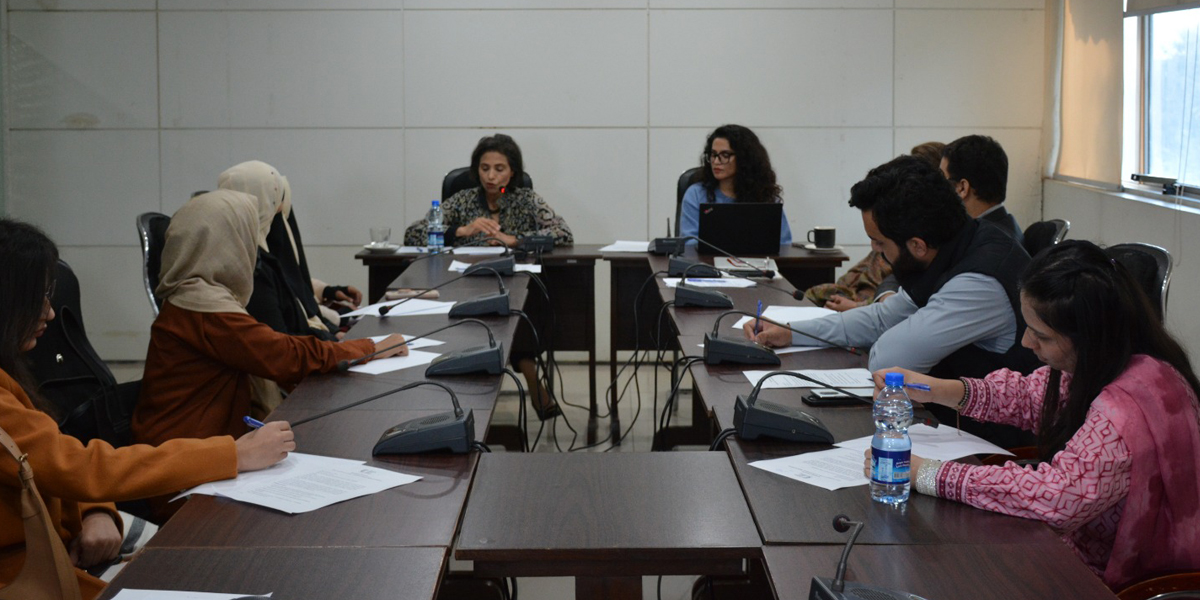
In observance of International Human Rights Day, CRSS hosted a dialogue with young leaders across sectors to explore human rights and civic engagement in Pakistan. The event provided a platform for youth to discuss the current state of human rights and civic engagement in Pakistan, with a particular focus on gender justice. The discussion aimed to explore practical ways for youth to engage constructively, address challenges, and strengthen their role in shaping inclusive policies and societal norms.
Keynote Address by Ms. Fauzia Viqar (Federal Ombudsman for Protection against Harassment of Women at the Workplace (FOSPAH)
Ms. Fauzia Viqar, Federal Ombudsman for Protection against Harassment of Women at the Workplace (FOSPAH) and former Chairperson of the Punjab Commission on the Status of Women (PCSW), delivered the keynote. She emphasized that Pakistan’s youth stand at a critical juncture, challenged by political uncertainties yet empowered by growing awareness of rights and civic responsibilities.
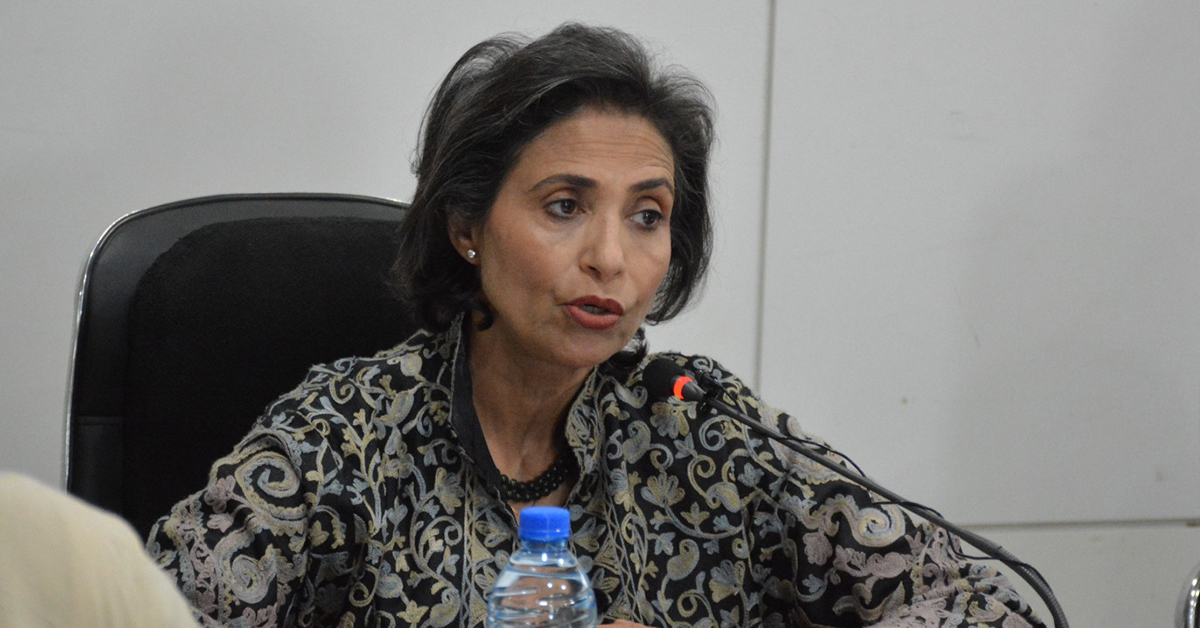
According to Ms. Viqar, meaningful youth engagement requires three pillars: knowledge, dialogue, and agency. Knowledge involves grounding activism in constitutional guarantees, national policies, and international human rights frameworks. Dialogue entails fostering intergenerational and intercommunity conversations to dismantle misconceptions that human rights, particularly women’s rights, are foreign constructs. Agency emphasizes using media, art, technology, and local organizing to make human rights tangible in everyday life.
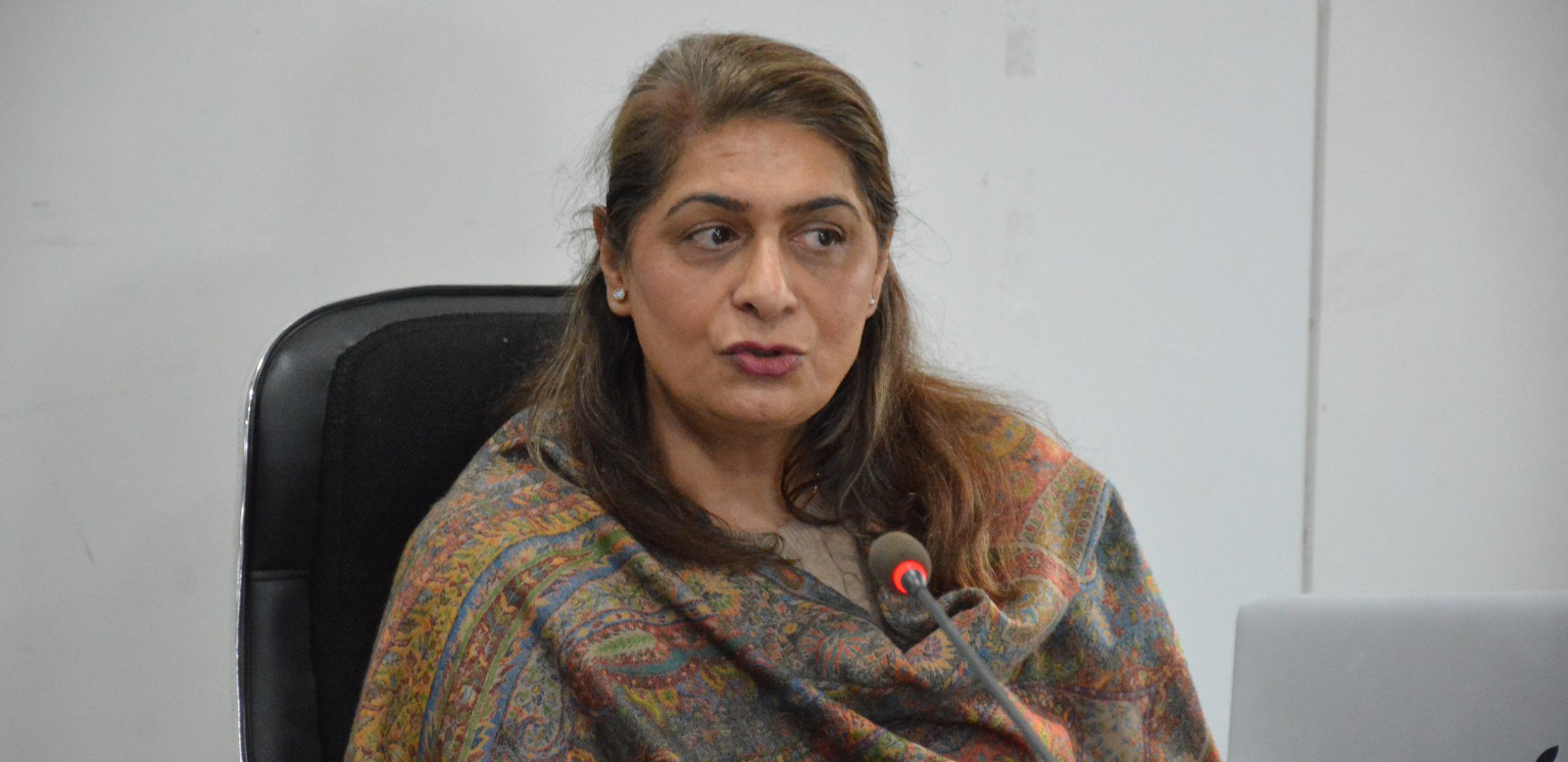
Ms. Viqar highlighted the obstacles faced by youth and activists, including surveillance, online harassment, and institutional gatekeeping, while noting that women and gender minorities often face compounded intersectional vulnerabilities related to socio-economic status, geographic location, disability, and literacy. Despite these challenges, she underscored the growing momentum of youth-led initiatives in areas such as environmental action, digital literacy, and mental health awareness. She emphasized the need for institutional support, psychosocial safeguards, and policy engagement through advisory councils to sustain youth participation and ensure meaningful impact. In conclusion, Ms. Viqar reminded participants that Pakistan’s youth are not passive spectators of history but active co-authors of a rights-respecting and inclusive future.
Discussion Highlights
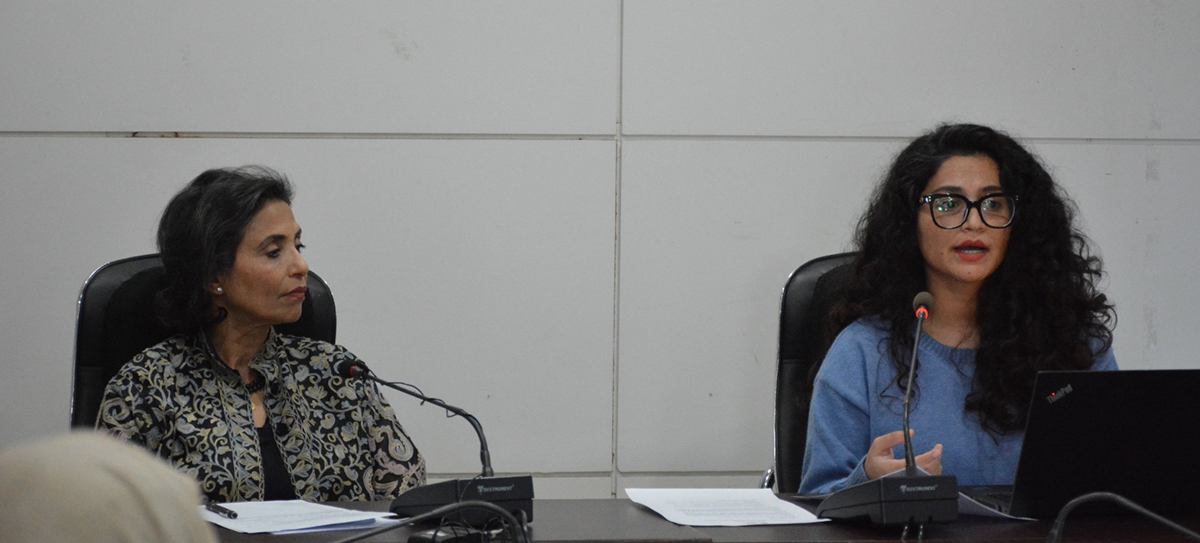
The discussion that followed was enriched by contributions from team CRSS and youth participants. Sameena Imtiaz, Head of Programmes (CRSS), highlighted the importance of strategic youth engagement, framing the dialogue as an opportunity to identify actionable avenues for reform and ensuring that young voices are meaningfully integrated into policy decisions.
Building on this, Elsa Imdad Chandio, Research Fellow (CRSS), shared a recent incident from her neighborhood involving the forced repatriation of Afghan refugees. She drew attention to the gendered and humanitarian consequences of such actions, noting how two women and four children were left especially vulnerable in the absence of male family members. Elsa stressed that this reflected a broader lack of gender sensitivity in law enforcement and policy implementation, and emphasized that youth advocacy must address both legal structures and on-ground social realities, particularly for marginalized and at-risk communities.
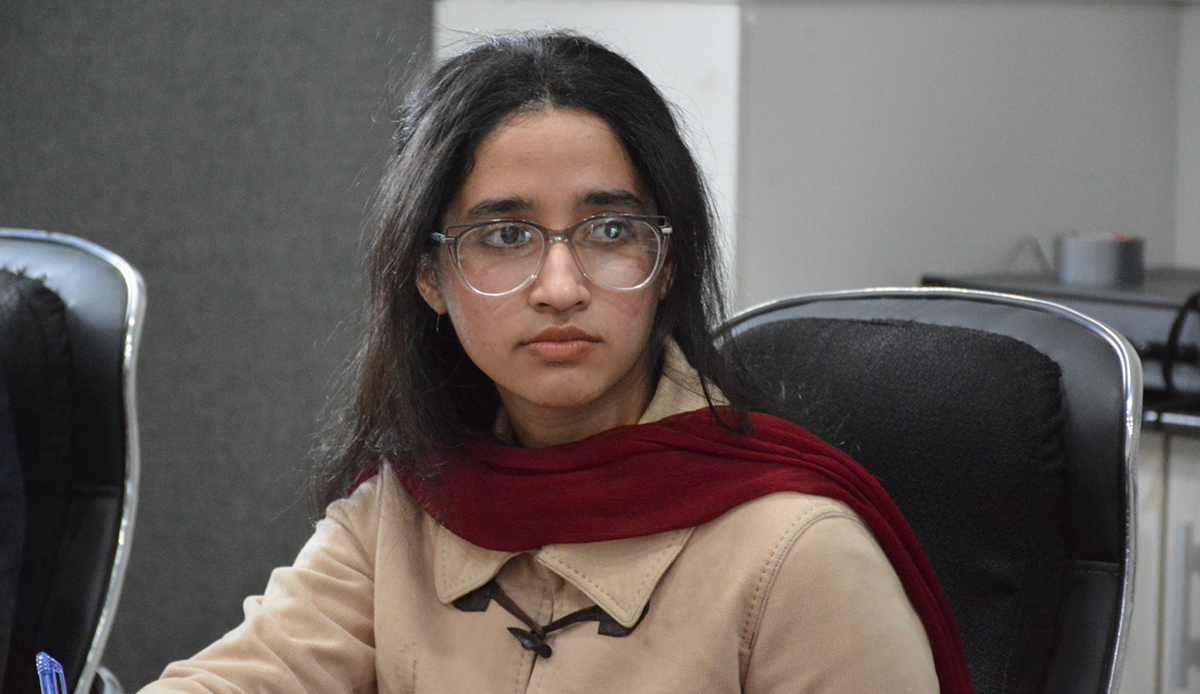
Youth participants also discussed the pressing need for credible data to support advocacy efforts, stressing that evidence-based approaches are essential for influencing state-level decision-making. Awareness campaigns were identified as vital tools for shifting societal norms, particularly around women’s participation in public life. Participants also reflected on the constraints of restricted civic space, political polarization, and limited institutional accountability, while recognizing the potential of local and online platforms to create inclusive forums for debate and leadership development.
Recommendations
Key recommendations emerging from the dialogue included:
- Strengthen institutions such as FOSPAH to safeguard women’s rights and ensure systematic implementation.
- Expand platforms for youth participation in formal governance structures, including the National Youth Council, to enhance representation and accountability.
- Integrate intersectional approaches into youth and rights-based initiatives to address compounded vulnerabilities across gender, class, and geography.
- Leverage national and provincial datasets for evidence-based advocacy to complement personal narratives and amplify collective voices.
- Foster mentorship and psychosocial support structures to sustain youth participation and protect the well-being of activists.
Conclusion
The dialogue underscored that while Pakistan’s youth face political and societal challenges, strategic, informed, and collective engagement is crucial to advancing human rights and gender justice. Participants were encouraged to transform frustration into action, utilize institutional and digital platforms responsibly, and collaborate across movements to co-create a more inclusive and rights-respecting Pakistan. The event left participants inspired and motivated, reinforcing the importance of youth agency in shaping the country’s human rights discourse.