



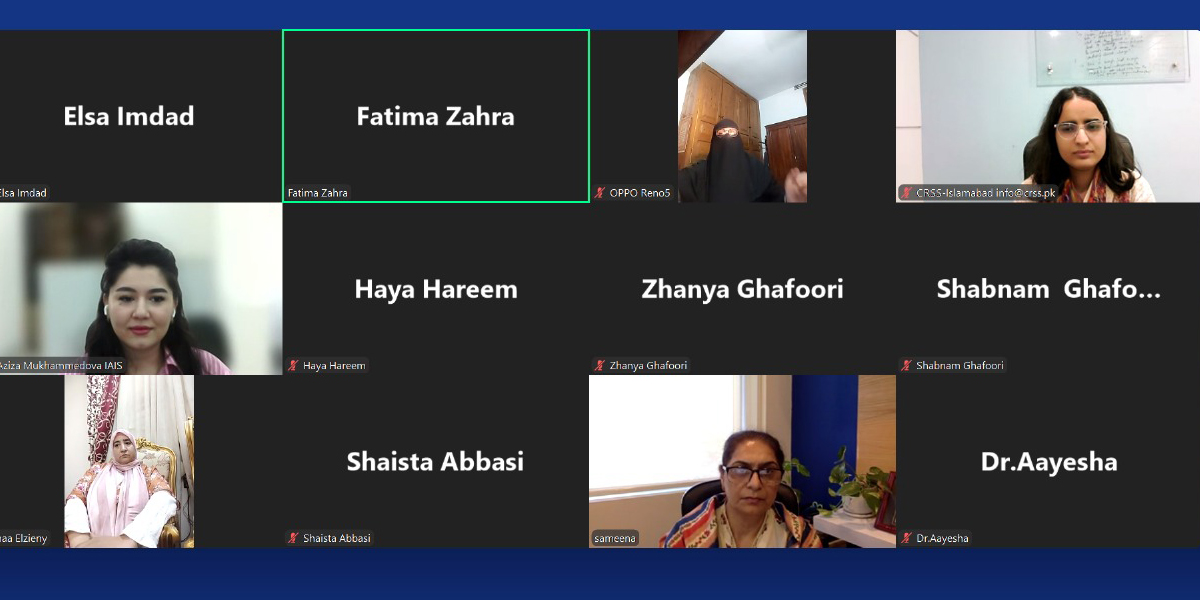
The Center for Research and Security Studies (CRSS) convened a virtual dialogue to examine the challenges and opportunities for women’s participation in public life across Muslim societies, with a particular focus on Afghanistan, with regional scholars and practitioners. The discussion highlighted cultural, political, and structural barriers to women’s empowerment, as well as potential avenues for cooperation among regional states to advance women’s rights within an Islamic framework.
Afghan participants shared that since 2021, Afghan women have been facing severe restrictions, including bans on secondary and higher education, exclusion from most government jobs, and constraints on mobility. An Afghan scholar noted that “restricting women is not fair in Islam, which grants us full rights to education, property, and work.” While the other added that opportunities for women activists and scholars have nearly disappeared, with many forced to leave the country. Both participants emphasized that regional support in the form of scholarships, online learning, and remote job opportunities could provide immediate relief.
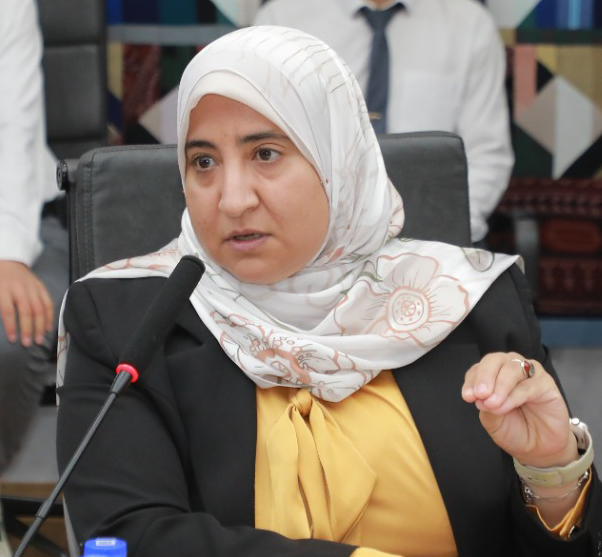 Dr. Asmaa El Zeiny, Researcher and Academician from Al-Azhar University, highlighted Egypt’s progress in implementing the Women, Peace, and Security agenda. She explained that Egypt has developed a national action plan, hosted regional forums such as the Aswan Forum for Peace and Security, and invested in training women peace practitioners. According to her, “we need more sharing of experiences and a stable curriculum to prepare new generations of women leaders.” She further emphasized the importance of engaging men alongside women to shift mindsets in male-dominated societies.
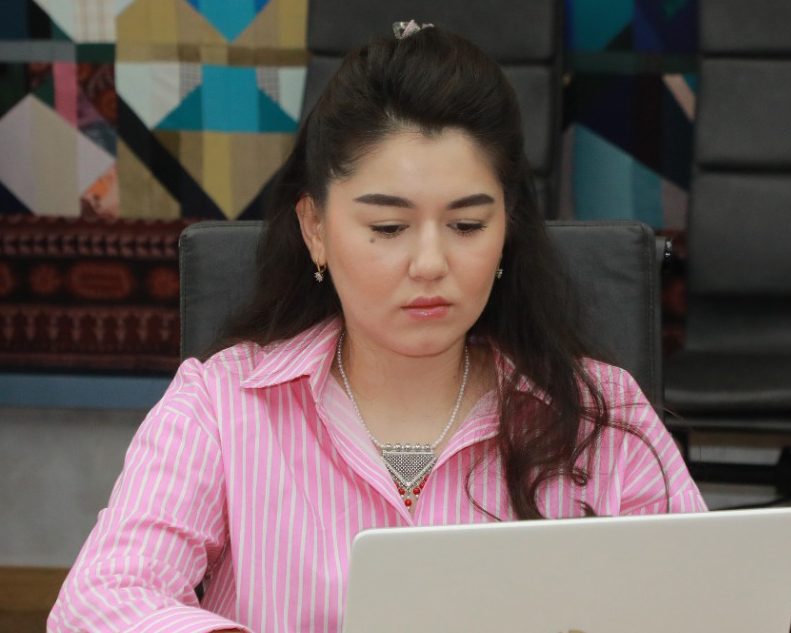 Ms. Aziza Mukhammedova, Research Fellow at IAIS from Uzbekistan, highlighted that women now hold 52% of seats in the legislative chamber and 25% in the senate. She added that “women are increasingly visible in high-level positions, from ministers to deputy prime ministers,” reflecting significant progress. Yet, she acknowledged that entrenched cultural stereotypes and family-based restrictions continue to limit women’s potential. Aziza underscored the need for consistent efforts toward gender equality and hoped that “empowerment of daughters, sisters, and wives will steadily transform society.”
Dr. Ayesha Rafique, HOD of the Islamic Studies Department in a private University in Pakistan, pointed out that while Article 25 of Pakistan’s constitution guarantees equality and over 70 legislations have been enacted for women’s empowerment, “patriarchal and tribal systems continue to undermine women’s participation, particularly in interior Sindh, Balochistan, and KP.” She suggested that government-backed scholarships and institutional strategies could help Afghan women access education in Pakistan.
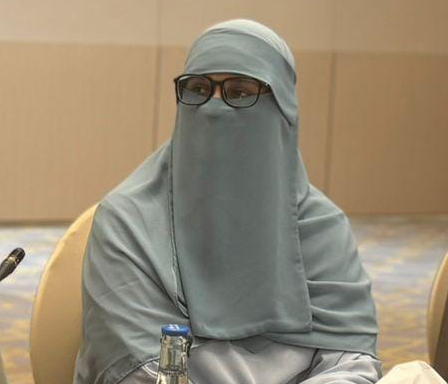 Dr. Farhana Qazi, an academician and lecturer at Peshawar University, stressed that religion is not the obstacle, stating that “it is the male-dominated tribal system, not Islam, that restricts women.” She urged collective religious rulings (fatwas) to clarify women’s rights and counter misinterpretations. Haya Hareem emphasized the importance of dialogue, explaining that “discussion and storytelling can slowly change societal mindsets, even if progress is gradual.”
Across Afghanistan, Pakistan, Egypt, and Uzbekistan, participants agreed that the misuse of religion is a central barrier to women’s inclusion. As Dr. Farhana remarked, “religion never stopped women from active participation; it is patriarchy and tribal culture that limit us.” Participants emphasized that Islam, in fact, guarantees women equal rights in education, property ownership, employment, and public life. Dialogue, awareness campaigns, and engagement of both women and men were identified as critical strategies to shift social attitudes gradually.
Recommendations
- Educational Access: Regional states should expand scholarships, online learning opportunities, and cross-border academic programs for Afghan women.
- Religious Engagement: Religious scholars across Muslim countries should collectively affirm women’s rights in Islam through joint statements and fatwas.
- Regional Networks: Establish alliances of women leaders, academics, and practitioners to advocate for inclusion and share best practices.
- Capacity Building: Develop curricula and leadership training programs to prepare the next generation of women peacebuilders.
- Sustained Dialogue: Continue hosting forums that bring together diverse voices from the Islamic world to address women’s challenges in peace, security, and development.
The dialogue reaffirmed that while Afghan women currently face the harshest restrictions, challenges to women’s inclusion exist across the Muslim world. Overcoming these barriers requires a blend of educational opportunities, religious advocacy, regional cooperation, and grassroots dialogue. By situating women’s rights within an Islamic framework, regional states can collectively work toward building inclusive societies where women contribute fully to peace, security, and development.