



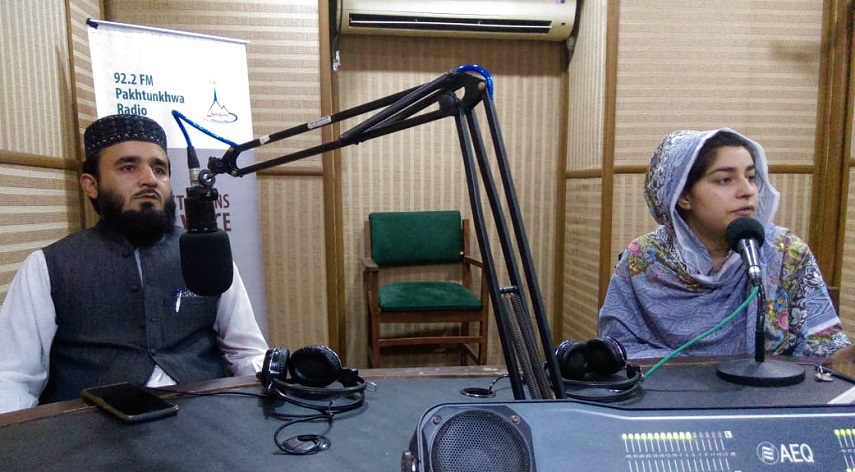
The 107th radio program as part of the Center for Research and Security Studies’ (CRSS) counter-radicalization initiative Ulasi Taroon (Social Cohesion) discussed the importance of inter-faith and intra-faith harmony during crises.
The guests on show noted that inter-religious and intra-religious harmony is an essentiality for social cohesion in every diverse society. It becomes ever more important during the crisis like COVID-19, as you can only make it through such unprecedented situations with unity and concerted communal efforts.
Dr. Qibla Ayaz, Chairman, Council of Islamic Ideology (CII), opined that we are living in a post globalized era, which may pose some challenges but at the same time, it means many unprecedented opportunities of peace, cohesion and development. There is a huge onus on us to create breathing spaces for future generations through our exemplary behaviors of acceptance and coexistence regardless religious differences.
Media – given its outreach across the length and breadth of the country – has the huge onus to promote the messages of love, peace and harmony. While the intra-communal and inter-communal dialogue should also take place with religious scholars and all other stakeholders on board the discourse.
The second guest on show, Mr. Mujahid Khan, an Islamic Scholar, noted that diversity is beautiful given the number of colors it adds to the society. We must resort to dialogue to figure out differences. Its only through mutual respect, understanding and dialogue that we can cultivate inter-faith and intra-faith harmony. The notions of equality for all, no matter which faith one follows, is explicitly enshrined in the constitution. No matter how much the differences, there are always some similarities that can be nurtured as a measure of cooperation and peaceful coexistence in a religiously diverse society.
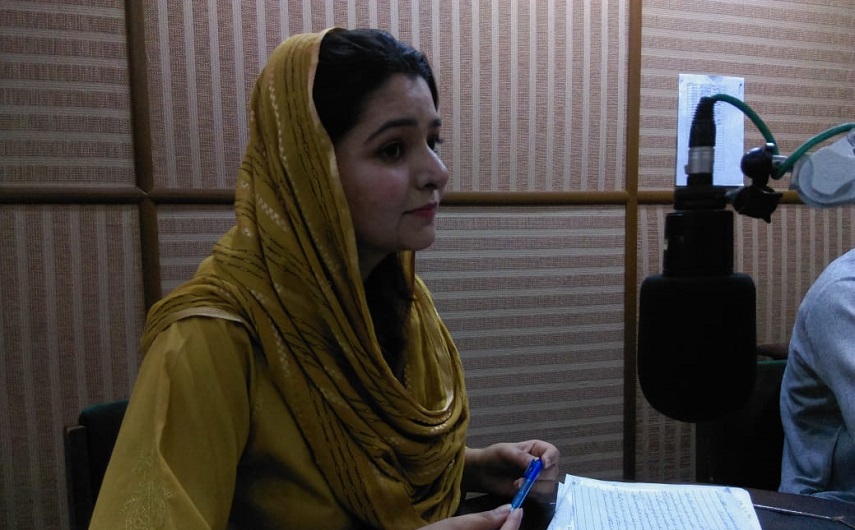
The third guest on show, Ms. Zala Saif, Ulasi Taroon alumna, said that we should put humanity first and not let our personal beliefs divide us and weaken our cohesion. While we always need social cohesion, but it becomes much more important when dealing with a crisis. The role of youth is central to the current pandemic; to help communities successfully deal with it. These young people also have an incredible potential to promote better understanding and coexistence among the religiously diverse communities.
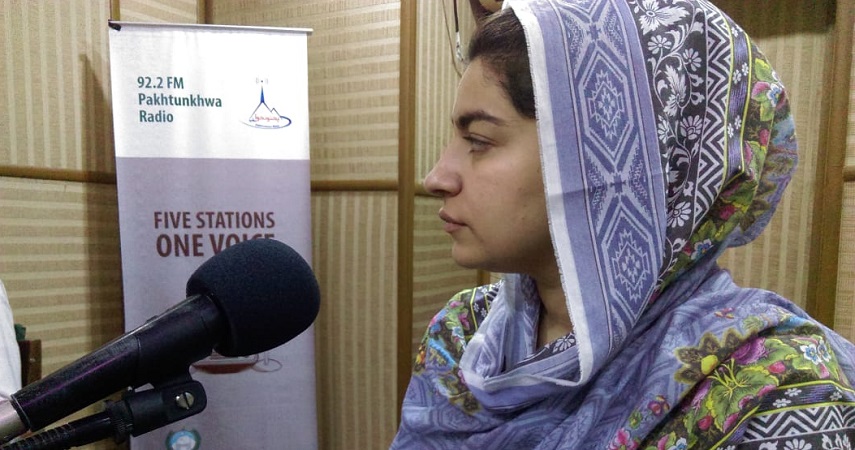
Rumors and misconceptions can devastatingly damage the efforts to deal with the COVID pandemic. Therefore, both media and youth should intervene to address these misconceptions in the broader national interest.
About Ulasi Taroon
Ulasi Taroon is a counter radicalization initiative of Center for Research and Security Studies that aims to address the radicalization challenges, extremist ideologies and foster social cohesion through a discourse anchored in the core constitutional values which are fundamentally essential prerequisites for social peace and harmony. The endeavor aims to cultivate and sensitize the people of KP in the core values in the Pakistani constitution and our social contract. It’s an attempt to highlight the criticality of abiding by these ideals – such as adherence to rule of law, primacy and sanctity of constitution, equal citizenry, responsible citizenship, respect for fundamental human rights, tolerance for diversity and different opinions, inclusive democracy and good governance – as a measure of strengthening social cohesion and promoting peaceful co-existence.