



Social cohesion is an immensely important theme of youth engagement and leadership development given the role of youth in the peacebuilding process. The things have gone much beyond the nation-state and we are going towards transnational and global citizenry era. This post globalized and transnational environment demands social cohesion for success, forward movement and peaceful coexistence. The transnational post globalized era – rather than tolerating diversity – demands acceptance of diversity. The educational system in place for harnessing the future leaders is not at par with the international standards. Modernity demands broad mindedness that comes not only through education but the overall social environment. The biggest grey area in this system is that it has limited the potential of young only to the classroom where this system is classroom centric in nature. Limiting the potential of young generation kills its potential just like caging a bird kills its potential to fly.
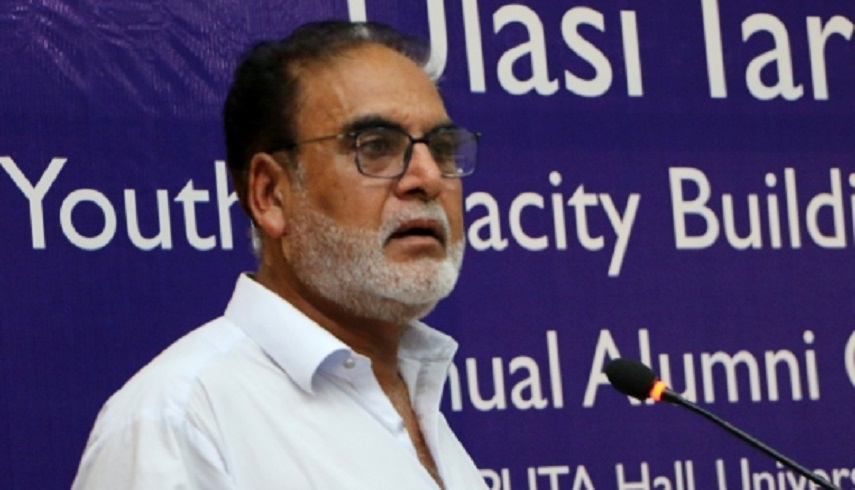
The remarks were made by Dr. Qibla Ayaz, Chairman, Council of Islamic Ideology (CII) during the Ulasi Taroon Youth Capacity Building Workshops’ Annual Alumni Gathering held by the Center for Research and Security Studies (CRSS), in collaboration with Department of Social Work, University of Peshawar at PUTA Hall, situated in the same varsity.
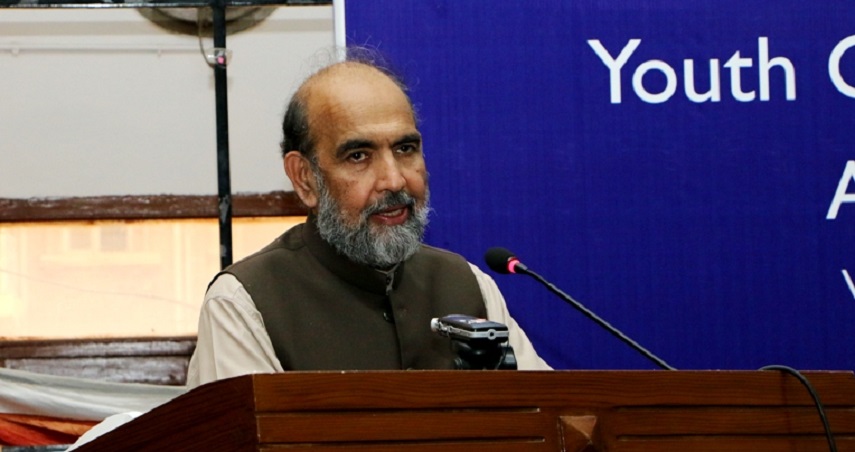
The CII Chairman said that the entire system of education and environment is linked with the market. Resultantly, the subjects and themes critical to social development have been direly ignored. This also limited the potential of young minds to explore other potential career options. Exclusion of or deprioritizing social sciences from the educational agenda takes a terrible toll on the overall society and state craft as well as allows incapable people – devoid of a vision for social cohesion and development – to make their way to the state institutions and call the shots through narrow, tunnel-visioned approach.
Linking education with the market gradually decreased the realization of the purpose of education for human and social development. Organizations like CRSS are actively striving to fill this critical gap between the students and social development. The Pakistani youth is very talented with immense intellectual capital, and only needs opportunities to channelize their potential and energies into social cohesion development. Given this huge capital, we just need to prompt this youth bulge develop chronic optimism.
The connection with nature is crucial to human development; intellectually, socially and spiritually. Creative potential is fanned only by closeness and active connectedness with nature. As a society, we need to develop a mechanism to harness youth’s active participation and role in and volunteerism for social services.
Modern development projects like China-Pakistan Economic Corridor (CPEC) require proportionate measures to adapt our educational system to meet the technical and human capital and resource requirements of such projects. In the post globalized era, we need to take urgent steps to develop the attitudes and skills critical to survive in the new environment.
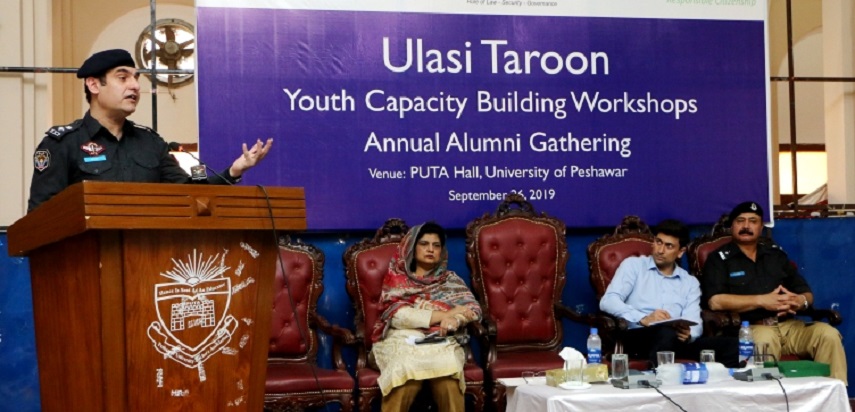
Mr. Zahoor Babar Afridi, Senior Superintendent of Police (Operations), Peshawar said that the notion of rule of law means that all members of the society are equal in the eyes of and considered equally accountable before law, regardless of socio-political or economic background. Every citizen must obey the laws promulgated by the legislature. Separation of powers is critical for respectful coexistence of different institutions of the state. Citizens must be aware of the laws to be able to respect others rights and fulfill their responsibilities. Social media has a vital role to foster social cohesion and educate and aware people – especially the youth – about their constitutional rights. It’s the ignorance of laws which can amount to the failure to comply with the social contract as well as violation of human rights. There is absolutely a huge onus on the educational institutions in making law abiding citizens. Youth can make peacebuilding interventions through networking, outside the box thinking and learning about the national and global best practices for peace and coexistence. Their role in preventing gender based discrimination and promoting respect is of paramount importance.
Social mobility is one of the most essential prerequisites for social cohesion where lack of equal opportunities leads to disintegration of and intolerance among the society besides jeopardizing the social peace and harmony. It’s only a tolerant society that interacts through active, respectful listening and understanding one another. Such tolerant attitudes and behaviors can decrease the probabilities of violent extremism and conflict. Opportunities for political participation and leadership are equally important to foster tolerance and peaceful coexistence. Future leaders must understand that leadership demands respect for law, acceptance and tolerance.
Prof. Dr. Johar Ali, Pro-Vice Chancellor, University of Peshawar said that the social cohesion requires a thoughtful analysis of the formidable issues facing Pakistan. The public and private sector universities are generating tons of human capital critical to growth and development. The attitudinal fault lines such as deviation from constitution and giving up on rule of law disintegrates social fabric and makes the society vulnerable to the extremism. A harmonious society demands gatherings of peace like the one held by CRSS.
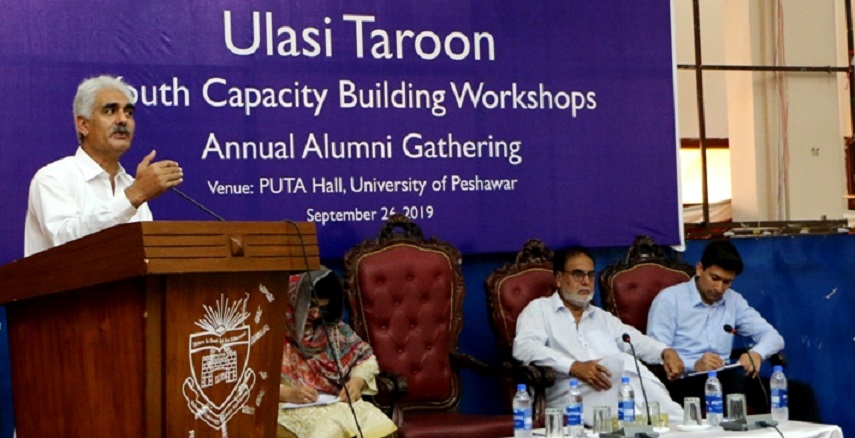
Dr. Rashid Khan, Head, Department of Social Work, University of Peshawar said that the role of media in promoting social cohesion is of great important given its massive outreach and overwhelming footprint across a wider cross-section of the society. Youth should be cognizant of the positive and productive uses of social media for – including but not limited to – research and history. This will help them develop critical thinking skills and new knowledge. Social cohesion lies in abiding by social contract; core constitutional values and ideals of peace, harmony, respect, acceptance and rule of law.
Mrs. Shagufta Khalique, educationist, said that the youth should not only formulate their vision for the connected and prosperous future of the country but also identify their roles and responsibilities as part of that vision. That’s what the responsible citizenry means; constructive participation in the national discourse.
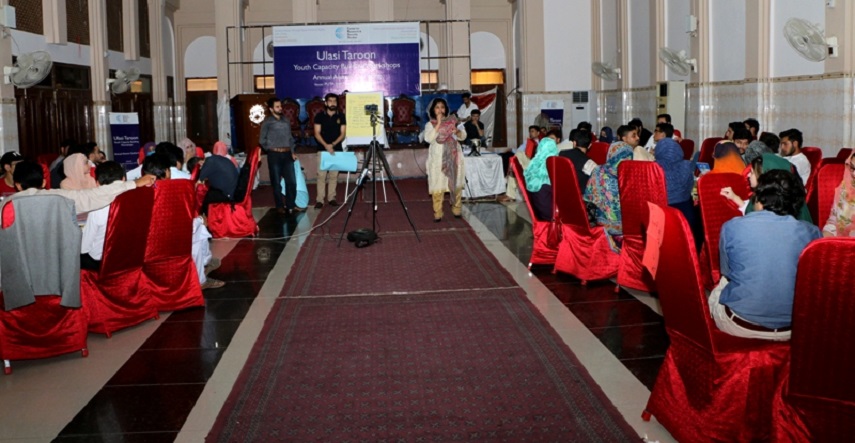
Mr. Malik Mustafa, Team Leader, Ulasi Taroon, said that it’s only by a selfless and inclusive vision, can youth formulate shared goals of a more connected and prosperous future. Everyone has some unique and extraordinary gifts and sharing them with others – by acting out of fulfillment rather than scarcity – can they make this world a better place to live.
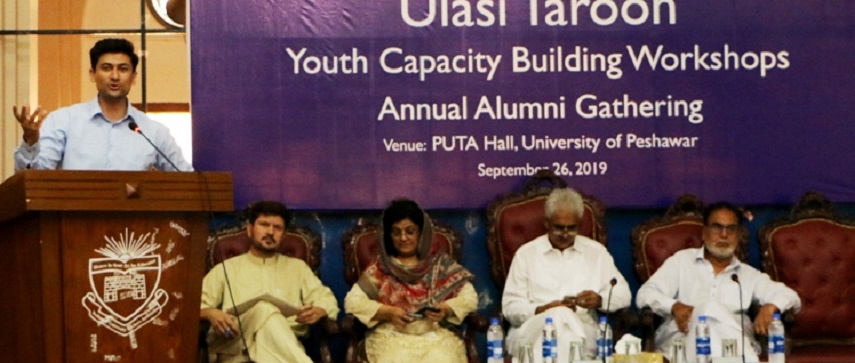
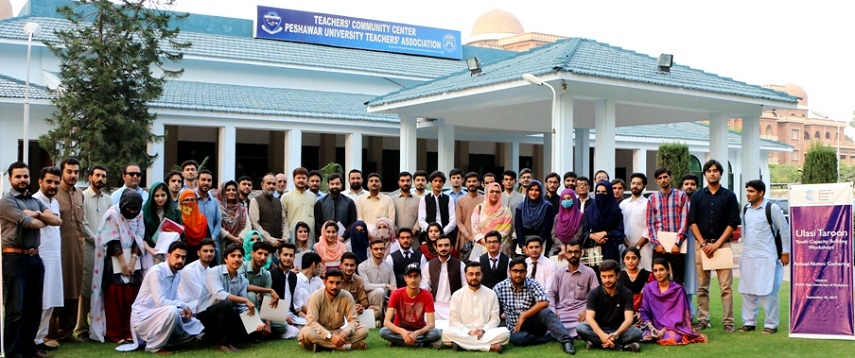
The event was participated by over 80 students representing more than 20 different universities across Khyber Pakhtunkhwa province. The youth leaders participated in the speech competition on the topic Importance of Social Cohesion for Peaceful Pakistan. They participating students said, “If youth has to carry out any form of rebellion, then it has to be against extremism, discrimination and inequality. Social cohesion lies in responsible citizenship i.e. fulfilling your social responsibilities and respecting others rights as equal citizens. Youth must exhibit their collective commitment to the constitutional values of peace and harmony. War itself is a problem and should not be considered as a panacea. Social cohesion is as important to the country as blood to the human body. Unity demands that we, as a nation, shall unite against all those elements in the society which are jeopardizing the cohesion and social fabric. We are bound to be different and disagree but it never deters our commitment to celebrate diversity. Inclusion requires understanding and tolerance”.
The students also participated in the group exercises where they formulated their vision for the future of Pakistan and identified their roles and responsibilities to get to their collective vision. They said that they want to see peaceful and tolerant Pakistan with harmony among its multiple cultures, equal citizenry, good relations with neighboring countries, strong economy, inclusive democracy, handsome human capital and focus on human development.
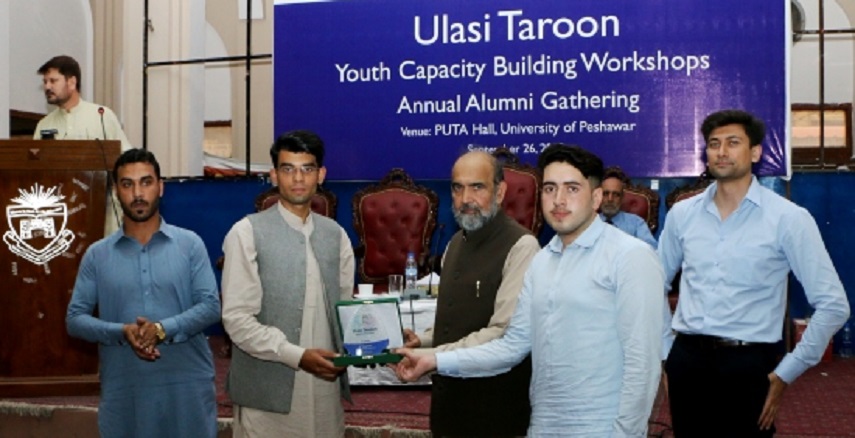
Ulasi Taroon is a counter radicalization initiative of CRSS that aims to address the radicalization challenges, extremist ideologies and foster social cohesion through a discourse anchored in the core constitutional values which are fundamentally essential prerequisites for social peace and harmony. The endeavor aims to cultivate and sensitize the youth – in the universities across KP – in the core values in the Pakistani constitution and our social contract. It’s an attempt to highlight the criticality of abiding by these ideals – such as adherence to rule of law, primacy and sanctity of constitution, equal citizenry, responsible citizenship, respect for fundamental human rights, tolerance for diversity and different opinions, inclusive democracy and good governance – as a measure of fostering social cohesion and peaceful co-existence.