



Democracy does mean freedom as long as you respect everyone’s freedom of conscience and do not interfere with their freedom to make own decisions. Democracy is a system of government for the whole population and it must prevail under any circumstances as dictatorship suspends the fundamental human rights of the citizens. Harnessing future leaders should be one the most important concerns for the government to ensure a better and more connected future. In this regard, the issue of street children must be dealt with on top priority basis given their vulnerability to various menaces and impact on the future of the country.
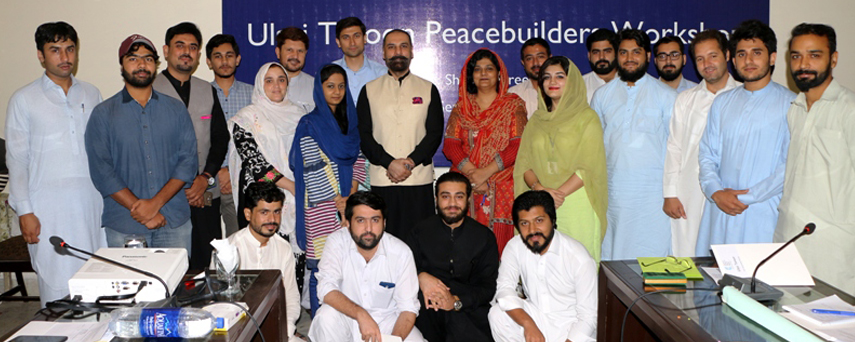
The remarks were made by Ms. Amna Sardar, former member of KP assembly during a discussion and networking workshop on social cohesion titled “Strengthening Peacebuilders and Catalysts for Change”, held by the Center for Research and Security Studies (CRSS) in Peshawar on September 5, 2018.
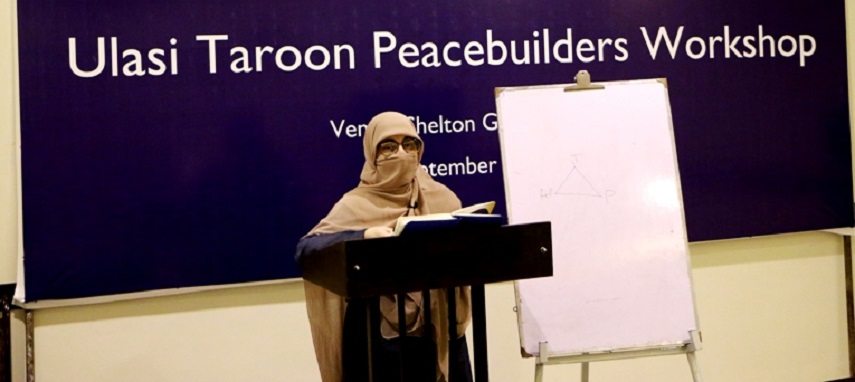
Ms. Amna underscored that representation is one of primary roles of public representatives besides legislation, oversight and budgeting, therefore, they should represent and highlight those issues in the parliament that concern their voters the most as a measure of ensuring inclusive policy making. For a true democracy, the democratic values not only need to be promoted among the public but the public representatives as well, where they need to be familiarized with and sensitized in virtues of tolerance, self-accountability and rule of law. There should be across the board accountability where the citizens should also hold their representatives accountable for their responsibilities. Democracy requires that the judiciary, legislature and executive only commit to adjudication, legislation and execution respectively. The conduct of public institutions and their management of public resources is crucial to good governance.
The rights awareness is critical for inclusive democracy where the aware citizens can actively participate in the political processes and optimally utilize the available avenues of participation. The youth should also collaborate, utilize their existing networks and develop new networks to better drive a change in their areas. Onus is on every individual to nurture democracy in the country. In this regard, the citizens must realize that vote is huge responsibility on them and it must be cast after some thoughtful considerations of candidates’ vision and manifestoes.
She concluded by saying, “Only by giving equal opportunities to the women, can our country develop”.
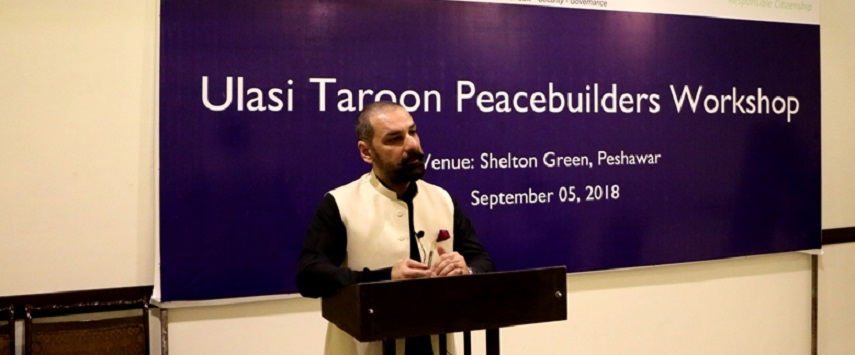
Mr. Mirvaiz Niaz, Senior Police Service of Pakistan (PSP) Officer, said that rule of law is a collective responsibility and not just the responsibility of law enforcement agencies. Rule of law means that everyone in the society is subject to law and accountability regardless of socio-political background and economic status. Adherence to rule of law is critical for and conducive to social cohesion whereas flouting the law and deviation from constitution results in conflict and disintegration in the society. Effective implementation of laws requires that the legislation should be inclusive of the needs and concerns of the public where they have been involved in the policy making processes. Our society must adapt to the modern perspectives of acceptance and mutual respect for peaceful coexistence.
Ms. Shagufta Khalique, educationist, said that peacebuilding is an all-inclusive process which requires a holistic approach where people from all faiths are taken on board as the ideals of peace are enshrined in all the religions. The conflicts can be avoided if all parties to the conflict do not exceed their redlines and resort to dialogue for resolution.
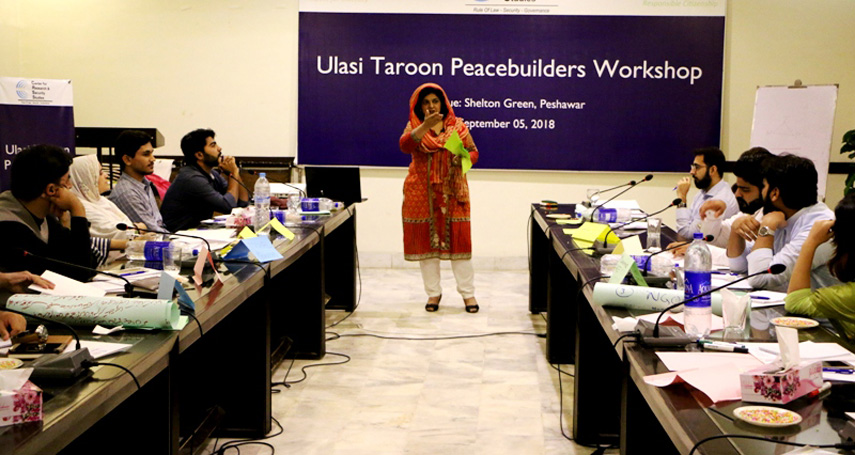
The participating peacebuilders from different organizations across Peshawar were of the view that the preconditions for peace are justice, mutual respect, tolerance, acceptance and freedom. The peacebuilders need support and resources to better drive effective peacebuilding. They demanded a unified education system in the country with values based teachings at the core. Mindset engagement at the early education level is of paramount importance given the high reception of children – during their formative years – to the positive ideas and peace.
Implementation of polices and laws ensuring the provision of fundamental entitlements as equal citizens is the biggest grey area in fostering democracy in Pakistan. All citizens must know their rights and responsibilities enshrined in the constitution to be able to better articulate their position on the issues concerns and to participate in the decision making processes in the country.
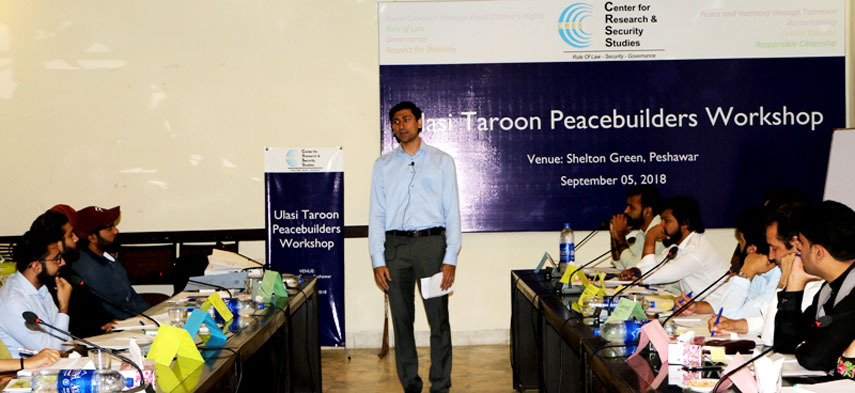
Ulasi Taroon is a counter radicalization initiative of CRSS that aims to address the radicalization challenges, extremist ideologies and foster social cohesion through a discourse anchored in the core constitutional values which are fundamentally essential prerequisites for social peace and harmony. The endeavor aims to cultivate and sensitize the youth – in the universities across KP – in the core values in the Pakistani constitution and our social contract. It’s an attempt to highlight the criticality of abiding by these ideals – such as adherence to rule of law, primacy and sanctity of constitution, equal citizenry, responsible citizenship, respect for fundamental human rights, tolerance for diversity and different opinions, inclusive democracy and good governance – as a measure of fostering social cohesion and peaceful co-existence.