



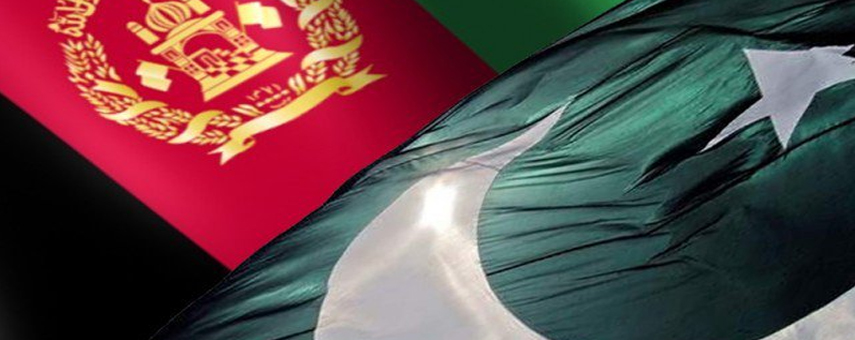
Since its inception, Pakistan has not been fortunate enough to have stable relations with Afghanistan. The relations are characterized by uncalled for ups and downs. In the post 2011 US invasion, the traditional pattern did not change much, perhaps as the factors of instability were mainly native in nature and called for indigenous solutions. Both sides claim that they are keen to promote regional peace. Their economic progress is interdependent nevertheless. Both governments, mostly Afghanistan did not issue statements which can prove conducive to this objective. In the past six months, we have observed that at least Pakistani leaders have issued very sober and constructive positive statements despite litany of provocative allegations from Afghan leaders. For instance, recently at the Heart of Asia conference in India, Ghani refused to accept Pakistan’s 500 million dollar aid for its development and said that they don’t need Pakistan’s help. “We need to identify cross-border terrorism and a fund to combat terrorism. Pakistan has pledged 500 million dollars for Afghanistan’s development, but we don’t need it. “Use the amount to contain terrorism in your country,” he said. Days after he rejected Pakistan’s aid, speaking to conference during a campaign held for the Afghan youths, President Ghani reiterated “Afghanistan will live with dignity and will not ask for charity from anyone.”
UNGA, 2016
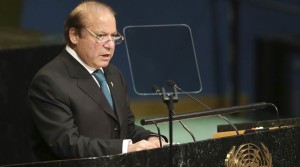
“After 15 years of the current war in Afghanistan, the international community agrees that the only road to a lasting peace in that country is through a dialogue between the Government in Kabul and the Afghan Taliban. Pakistan has long proposed this as the most viable course to end decades of conflict and suffering in Afghanistan. Based on this belief in a negotiated peace, and in response to requests from President Ashraf Ghani, we have been facilitating the process of reconciliation in Afghanistan. There have been setbacks. That, however, is not a sufficient reason to abandon the path of peace and rely on the military option, which has failed, for the past decade and a half, to stabilize Afghanistan. Progress will be assured only when the Afghan parties themselves conclude that there is no military solution to the Afghan war, and work assiduously, through a meaningful dialogue process, for achieving reconciliation and peace at home. Over three and a half decades of conflict and chaos in Afghanistan has had grave security and economic consequences for Pakistan. Almost three million Afghan refugees, to whom we opened our homes and hearts, remain in Pakistan. We hope to see them return to Afghanistan, voluntarily and with dignity. Until they do, the international community must shoulder its responsibilities to sustain them.”[1]
(Excerpt from Pakistan Prime Minister Nawaz Sharif’s Address at the UNGA on September 22, 2016)
Defense Day, 2016
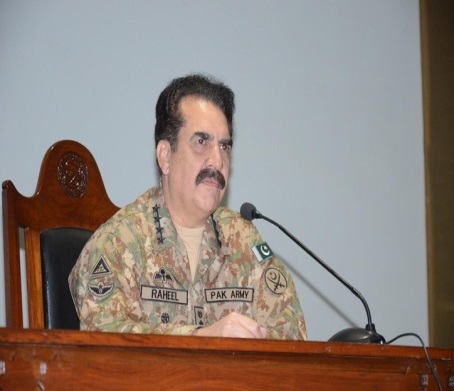
“We are sincerely playing our active role for peace in Afghanistan. But some self-seeking quarters that are definitely not sincere towards Afghanistan, are obstructing these efforts. I bear upon such elements that Afghanistan is our neighbor and brother Islamic country. Peace and stability there is vital to Pakistan’s own interest. Better management of international border between the two countries takes precedence in our national interest. We want to establish an effective border management mechanism in concert with Afghan government. I am certain that a better peace environment will lead to our shared economic progress.”[2]
(Excerpt from Pakistan Chief of Army Staff Raheel Sharif’s speech on Defense Day on September 6, 2016)
Brussels Conference, 2016
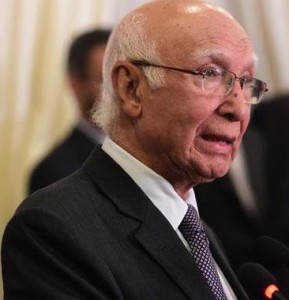
Pakistan Adviser to Prime Minister on Foreign Affairs, Sartaj Aziz, at the Brussels Conference, announced that Pakistan has provided 3000 scholarships to Afghan students for higher education in Pakistan. After completion of this programme, he stated, Pakistan will provide another 3000 scholarships in the fields of medicine, engineering, banking and other fields to help Afghanistan’s institution building.
The Brussels Conference was held as a sequel to the Tokyo Conference that took place in 2012 for affirming international community’s engagement with Afghanistan through economic and financial assistance. Sartaj Aziz emphasized that a politically negotiated settlement was the most viable option for bringing lasting peace to Afghanistan. He welcomed the peace deal signed between Afghan Government and Hezb-i-Islami assuring Pakistan’s continued efforts for peace and reconciliation in Afghanistan through the Quadrilateral Coordination Group (QCG). He said our message to Taliban remained to shun violence and to join the peace process.[3]
(Excerpt from Sartaj Aziz statements at Brussels Conference on October 05, 2016)
Pakistan’s Ambassador to Afghanistan in an Interview
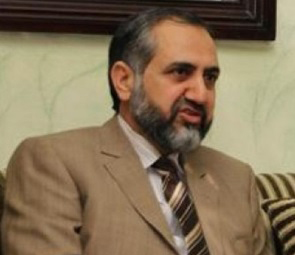
“Pakistan is establishing an engineering university in Balkh, a school in Kabul, a 200-bed hospital in Helmand, kidney center in Jalalabad and a hospital in Lugar,” Pakistan’s Ambassador to Afghanistan Syed Abrar Hussain said in an interview. He also added that 3,000 Afghan students have been granted scholarships and around 7,000 Afghan students are studying in Pakistan besides 0.5 million children of Afghan refugees.[4]
(Excerpt from Pakistan’s Ambassador to Afghanistan Syed Abrar Hussain’s interview on October 06, 2016)
Advisor to the PM on Foreign Affairs, Sartaj Aziz at a News Conference
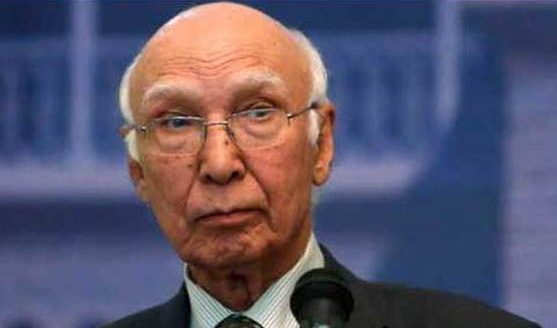
During his meeting with the Afghan President, Sartaj Aziz unequivocally reiterated Pakistan’s position that it would never allow its soil to be used against any country. “A balanced and holistic approach is needed to resolve the Afghan problems,” he stated. “We are now sharing our experiences of counter-terrorism with the rest of the world. This is a process that we are doing in our own national interest to protect our own security.” While addressing a news conference in Islamabad on December 05, 2016, Sartaj Aziz lamented the statement of Afghan President Ashraf Ghani, which he ascribed to frustration due to the rising insurgency in that country. He stated that Pakistan also regrets the incidents as it has been the victim of the same.[5]
(Excerpt from Sartaj Aziz’s response to Ghani’s statements about Pakistan at a news conference in Islamabad on December 05, 2016)
Sartaj Aziz in an Interview
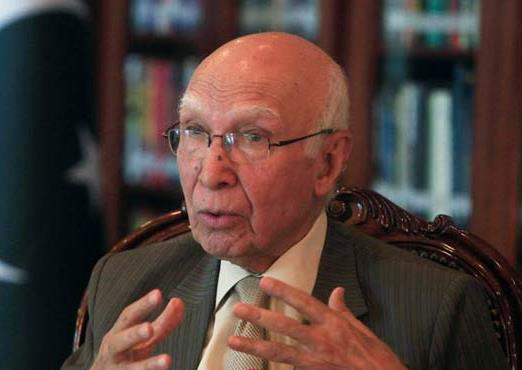
“It was disappointing that some elements in Afghanistan were not willing to have the dialogue process with Pakistan and these elements are creating suspicion over Pakistan’s role,” the Nation quoted Aziz as saying in an interview.[6]
(Excerpts from Sartaj Aziz’s interview on the dialogue between Taliban and the Afghan government on December 13, 2016)
UN Security Council, 2016
Speaking in a debate on the situation in Afghanistan in the UN Security Council on December 20, 2016, Pakistan’s acting permanent representative to UN, Nabeel Munir reaffirmed Pakistan’s commitment to eliminate all terrorist networks. He stated that Pakistan rejects Afghanistan’s unsubstantiated allegation that Taliban reorganize in Pakistan during winter, adding that sanctuaries of terrorists have shifted to Afghanistan due to successful operation Zarb-e-Azb, the results of which are widely acknowledged by the international community.”[7]
(Excerpt from Pakistan’s acting permanent representative to UN, Nabeel Munir’s speech on the debate regarding Afghan issue on December 20, 2016)
Special Assitant to the PM, Tariq Fatimi in an Interview
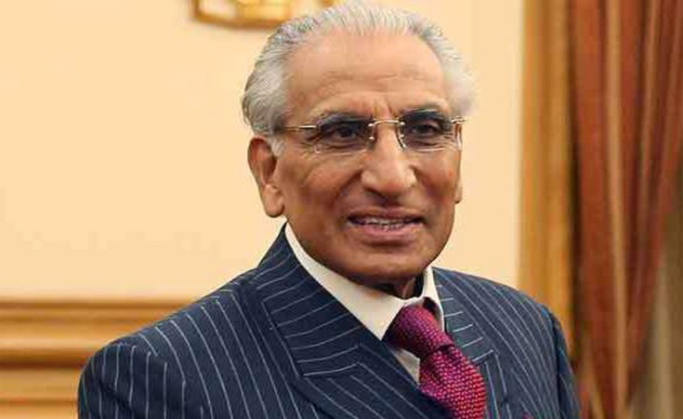
Special Assistant to the Prime Minister on Foreign Affairs Tariq Fatemi has said that Afghanistan should not allow its land to be used for terrorism inside Pakistan. In an interview, he claimed that hundreds of safe havens of terrorists had been destroyed, which will help establish peace in Pakistan and the whole region.
Fatemi said border management with Afghanistan will also be improved to check illegal cross-border movement that was the core reason for terrorism.[8]
(Excerpt from Tariq Fatimi’s Interview on December 21, 2016)
Interior Minister Chaudhry Nisar Ali Khan at a Press Conference
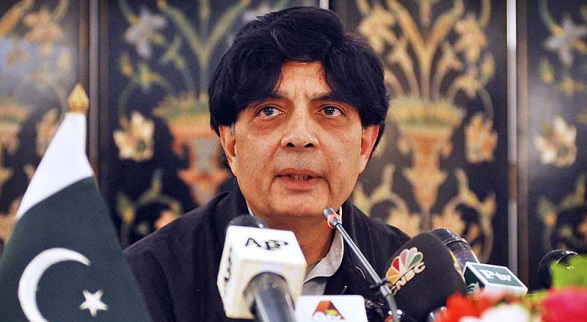
“The Afghan leadership should refrain from leveling baseless allegations of abetting terrorism and harboring militant organizations while speaking at our enemy’s soil,” he said, referring to Afghan President Ashraf Ghani’s remarks against Pakistan at the Heart of Asia Conference in India.
Chaudhry Nisar said Pakistan has provided shelter and every possible help to millions of Afghans for more than 30 years and would continue to support the Afghan government for rebuilding the war-ravaged country. Pakistan has always considered enemies of Afghanistan as its own enemies and would continue to further strengthen the brotherly relationship with the latter despite suspected terrorists taking shelter in Afghanistan and carrying out terrorist attacks inside Pakistan,” he said. The minister said the federal government had allocated Rs70 billion to raise a new border force for effectively monitoring the 2,000km border with Afghanistan, implementing the border management policy and preventing suspected elements from entering Pakistan from Afghanistan.”[9]
(Excerpt from Interior Minister Chaudhry Nisar Ali Khan’s press conference on December 22, 2016, on the Afghan leadership’s anti-Pakistan diatribe)
Chaudhry Nisar Ali Khan to the Media
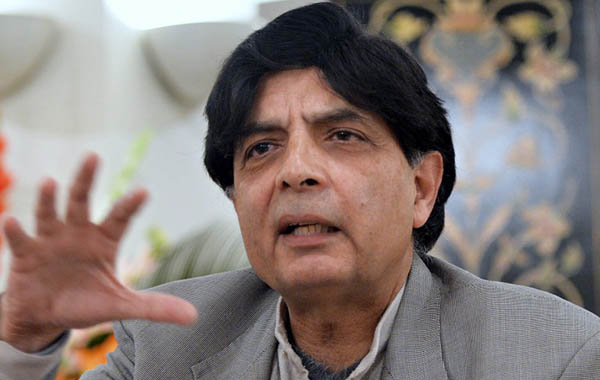
Peace in Pakistan is closely linked to peace in Afghanistan, Interior Minister Chaudhry Nisar said. According to GEO News, he told journalists in Landi Kotal on December 22, 2016, that Pakistan wants peace on both sides of the border. He said Afghanistan blames Pakistan even for crimes it has not committed.
“There is no terrorist network in this area,” he said. “After Operation Zarb-e-Azb either terrorists were killed or they ran away. Terrorists come discreetly and then cross the border,” he said. Landi Kotal is a small town of the Federally Administered Tribal Areas of Pakistan and is on the western edge of the Khyber Pass that traditionally marks the entrance to Afghanistan.[10]
(Excerpt from Chaudhry Nisar Ali Khan’s media talk in Landi Kotal on December 22, 2016)
Interior Minister in a Meeting with Afghan Border Forces
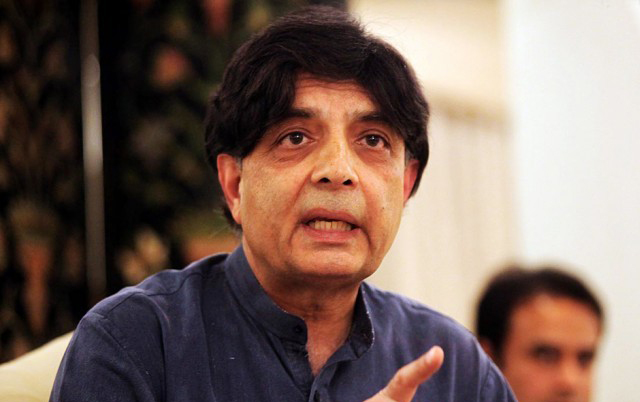
Pakistan’s Interior Minister Chaudhry Nisar Ali Khan in a meeting with Afghan border forces vowed to issue ‘urgent visas’ to Afghan patients at Torkham entry point on December 26, 2016.
According to the VOA report, the Pakistani minister said the issue of visas for Afghan patients will be resolved in the near future. “We welcome them [Afghans] to visit us and we want to visit their country. When more than 3.5 million Afghans were in difficulty and needed our help [as refugees], Pakistanis generously welcomed them and will do so if, God forbid, they [Afghans] faced such problems in future. But the freedom of movement they were enjoying until now was being misused by terrorists,” he said.[11]
(Excerpts from Interior Minister Chaudhry Nisar Ali Khan’s statement in a meeting with Afghan Border forces on December 26, 2016)
Pakistan Chief of Army Staff to the Afghan Leadership
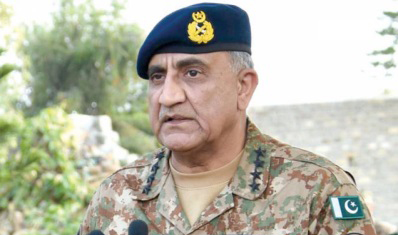
Pakistan’s new military chief telephoned Afghan President Ashraf Ghani, Chief Executive Abdullah Abdullah and Bajwa’s Afghan counterpart, General Qadam Shah Raheem, on December 31, 2016, according to the Pakistan Army’s media wing, and promised to work for regional peace, as mutual mistrust and suspicion have continued to plague bilateral ties in the outgoing year. According to Pakistan military media wing’s twitter page, Bajwa “conveyed best wishes for 2017 and pledged to work for peace in the region,” adding that peace in both countries was in the “greater interest of the region.”[12]
(Excerpt from Pakistani Military Chief General Qamar Javed Bajwa telephonic conversation with Afghan leadership on the New Year’s Eve, on December 31, 2016)
Pakistan COAS to Afghan President Ashraf Ghani
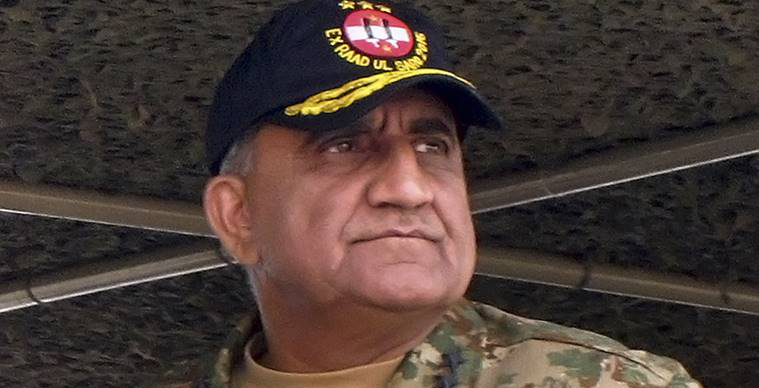
According to an official statement released by media wing of the Pakistani military “Chief of Army Staff (COAS) General Qamar Javed Bajwa made a telephone call to President Ashraf Ghani to condole the loss of life in recent terror attacks in Afghanistan.”
The statement further added that “He expressed sympathy with families of the victims and empathized on the tragic series of events that have befallen people of both the brotherly countries over the last many years. COAS reiterated Pakistan’s cooperation with Afghan Government and people to eliminate the scourge of terrorism which is affecting peace and stability of the whole region.”
“He emphasized that Pakistan has come a long way in its fight against terrorism of all hue and colour and has eliminated all safe havens in the process.” The statement said “COAS suggest a robust border management mechanism and intelligence cooperation to put a stop to and fro movement of terrorists across the border. He said that elements inimical to peace in the region are strengthened by the blame game. Both nations should rather focus on capitalizing upon the gains of successful Zar e Azb in Pakistan,” according to the statement.[13]
(Excerpt from General Bajwa’s statement paying condolences to President Ghani over the recent deadly Kabul bombings, on January 17, 2017)
World Economic Forum, Davos
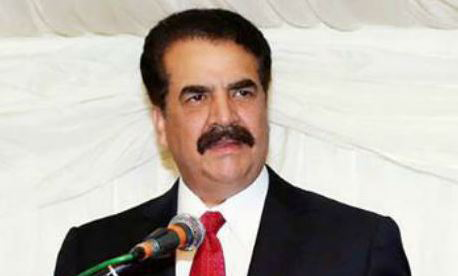
Former Chief of Army Staff General (retd) Raheel Sharif said that complex border issues were a hurdle in defeating Taliban. The former Chief said that there were groups which were present in both Afghanistan and Pakistan and when action against these groups is taken in Afghanistan, they come to Pakistan and when action against them is taken in Pakistan they move to Afghanistan. He said that the presence of Afghan refugees in Pakistan was also an issue in defeating terrorism, adding that the future of Pakistan and Afghanistan was interlinked.[14]
(Excerpt from Ex-General Raheel Sharif’s views at the World Economic Forum, Davos, on January 17, 2017)
These statements are compiled by Sitwat Waqar Bokhari & Saddam Hussein. In due course, it will be expanded with the statements from Afghan leaders as well.
Sources:
[1]http://dunyanews.tv/en/Pakistan/354022-Full-text-of-Nawaz-Sharif%E2%80%99s-speech-at-UN-general
[2] http://www.samaa.tv/pakistan/2016/09/full-text-of-coas-address-on-the-occasion-of-defence-day-of-pakistan-2016/
[3] http://www.mofa.gov.pk/pr-details.php?mm=NDM1Ng
[4] http://www.newspakistan.tv/pakistan-wants-peace-afghanistan-bring-stability-region-envoy/#more-37848
[5] https://www.thenews.com.pk/print/169901-India-cant-divide-Pakistan-Afghanistan-says-Sartaj
[6] http://www.freepressjournal.in/world/pak-seeks-peace-with-afghanistan/986233
[7] http://www.radio.gov.pk/20-Dec-2016/pakistan-rejects-afghanistan-s-allegation
[8] http://www.freepressjournal.in/world/pak-seeks-peace-with-afghanistan/986233
[9] http://www.dawn.com/news/1303804/kabuls-anti-pakistan-diatribe-can-affect-ties-warns-nisar
[10] http://www.tolonews.com/afghanistan/peace-pakistan-closely-linked-afghanistan-minister
[11] http://www.tolonews.com/afghanistan/pakistan-grant-%E2%80%98urgent-visas%E2%80%99-afghan-patients-torkham
[12] http://www.pakistantoday.com.pk/2017/01/01/afghan-leadership-invites-general-qamar-bajwa-to-visit-afghanistan/
[13] https://www.khaama.com/pakistan-army-chief-calls-president-ghani-suggests-intelligence-cooperation-02680
[14] https://www.geo.tv/latest/127704-Former-COAS-General-retd-Raheel-Sharif-talking-in-World-Economic-Forum-meeting